
Just published on EarthArXiv.org
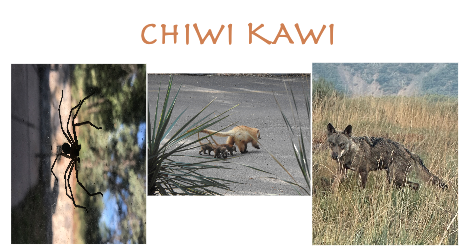
Download for best viewing and wait a minute for large file to load
https://doi.org/10.31223/X56T76
Abstract:
This field report details the environmental dynamics of the Chiricahua Mountains in SE Arizona. Adding to the previous 2022-2023 field report, these observations begin with the impact of the 2023 summer monsoons and the extreme drought conditions leading into 2025. Extraordinary stories from 2024 include wildlife observations of blonde and ginger coati, a lone wolf, jaguar tracks, and a yearling bear. It uncovers more of the adaptive responses of the forest ecosystem in the aftermath of the Horseshoe II wildfire in 2011 that burned more than 200,000 acres. Through observational methodologies, the report reveals a dominant 3-5 year ecological cycle characterized by recurring climate events, such as monsoons and wildfires, influencing species distribution from Mesquite to Douglas Fir across varying elevations. The findings indicate a remarkable interplay between flora and fauna, showcasing inherent conservation behaviors among trees during drought conditions and adaptive wildlife strategies in response to hydrological changes. The Chiricahua Mountains, as a unique geological formation and cultural landscape, serve as a critical site for understanding ecological resilience amid climate change. The report is structured chronologically, capturing the dynamic and evolving relationships within this diverse ecosystem through detailed monthly observations and narratives of extraordinary occurrences.