
a photo essay in progress
2025 was a tough year for the National Park Service and for everyone in the USA. Five years in the NPS has been a test of resilience, however what I post here is the reason Why I do what I do, and the beauty we should always remember.


May 2025


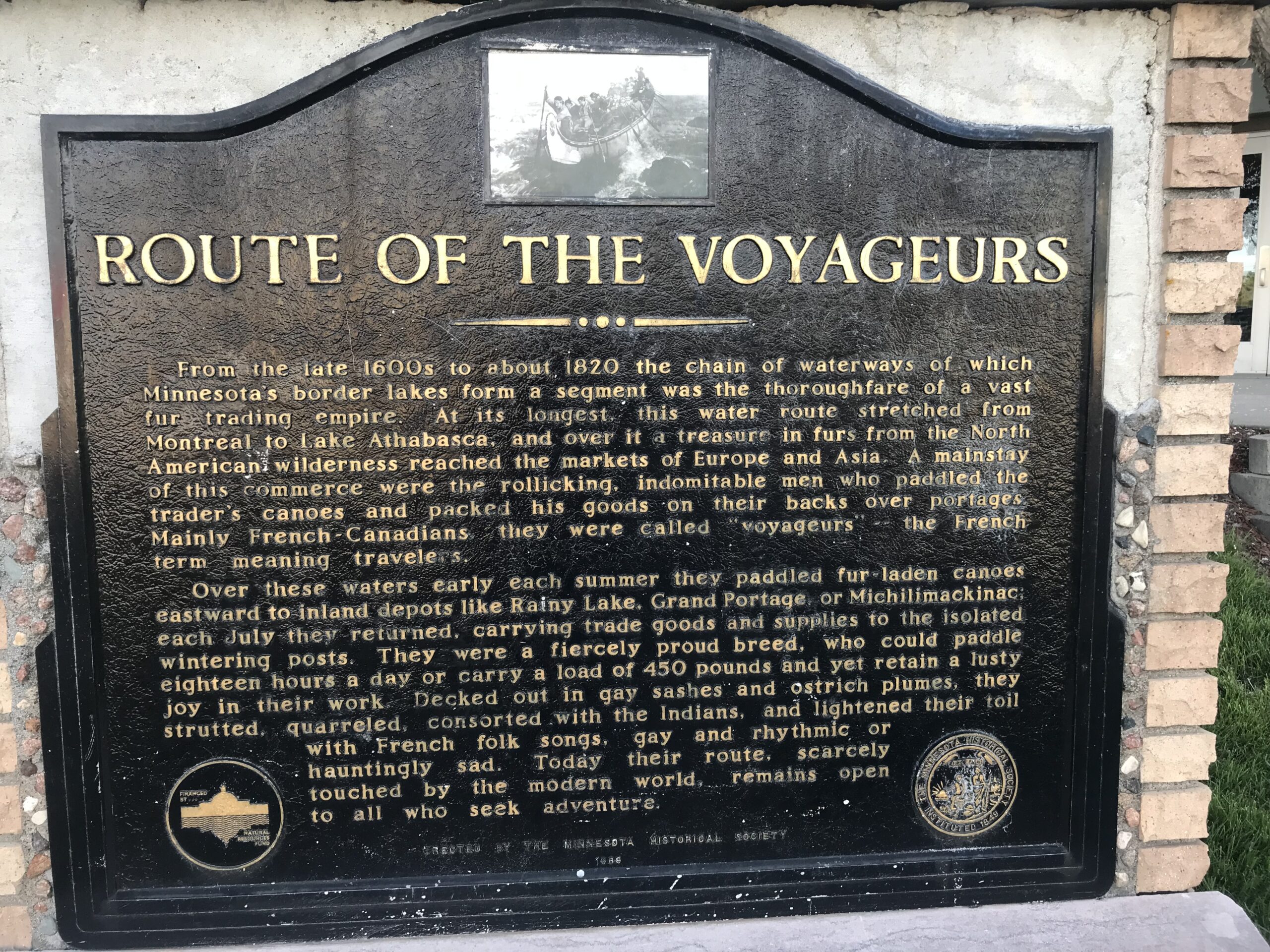


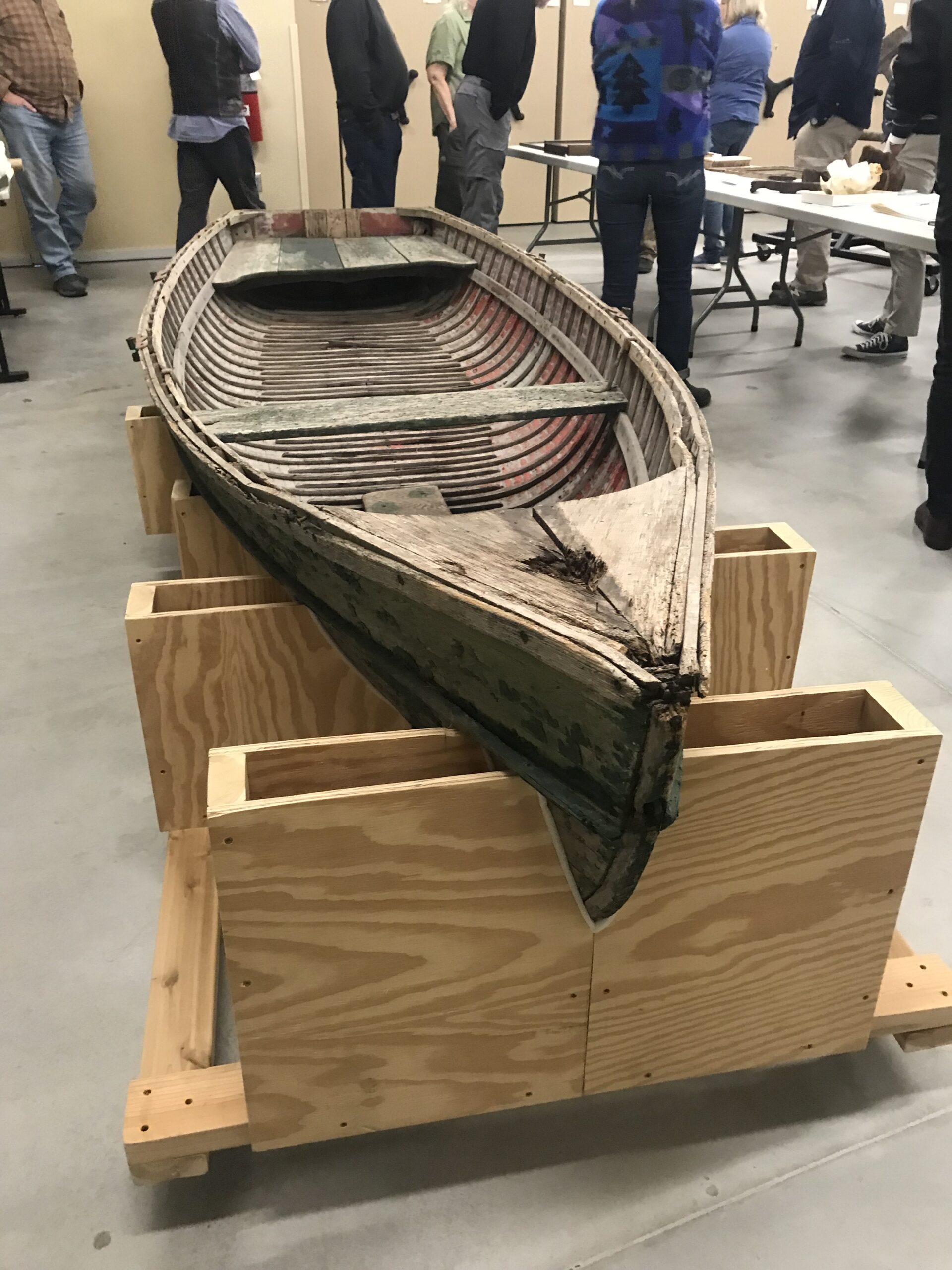

Arriving in International Falls early May, things were surprisingly very HOT! Not expecting. 95F day to move into an old mercantile apartment building with no air. However that quickly changed back to normal cold and jackets. IceOut on Rainy Lake was already slushing up end of April with the help of rain and winds. That’s the process of a lake that freezes 4’ thick in the “Icebox of the Nation.”
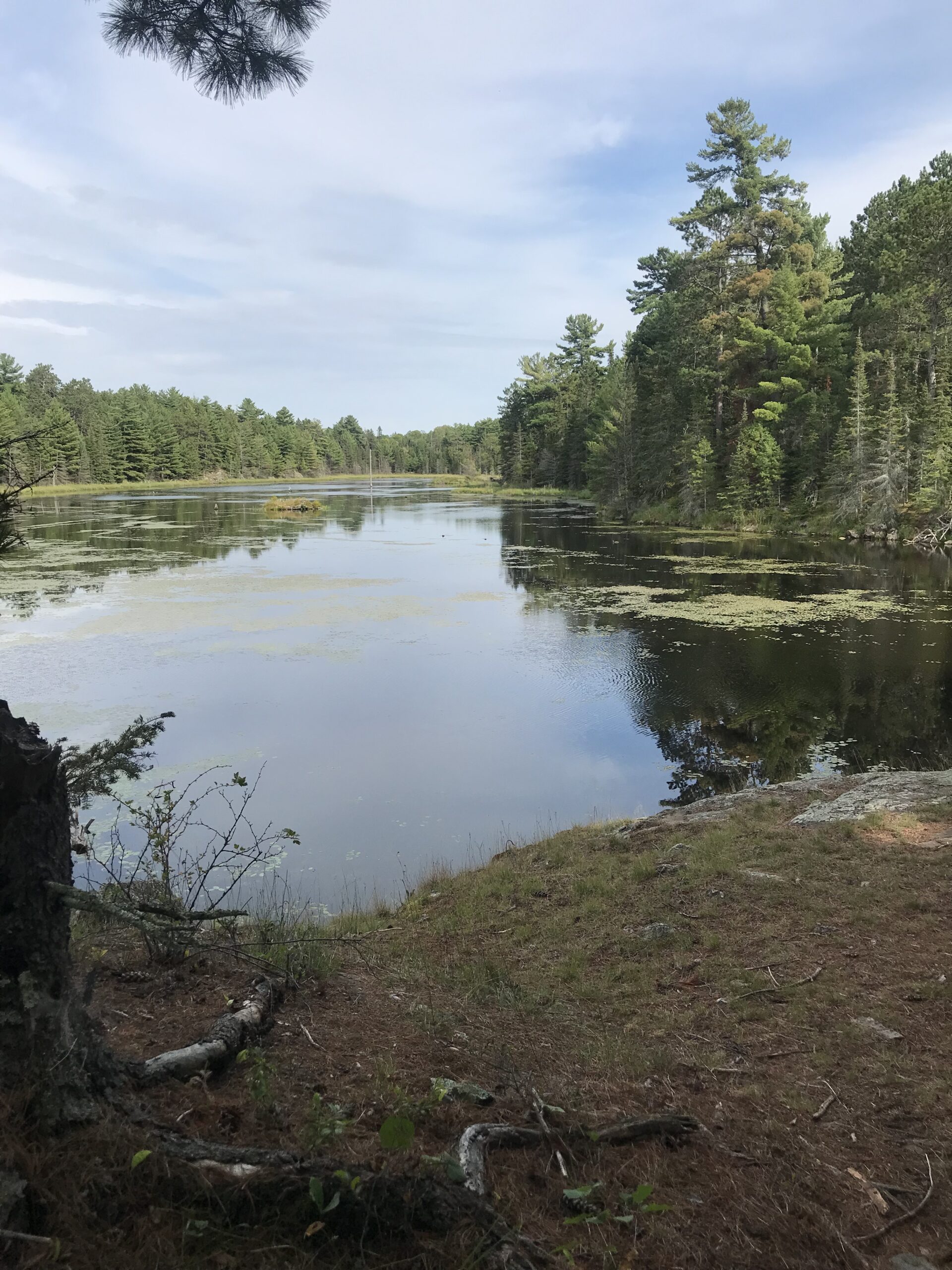
Rainy River Watershed, in which Voyageurs National Park is just a small part of (350 sq mi), is a vast network carved out by Four Glaciations, a couple of Grand Seas, and exposed geology dating to 4.8 billions years ago now known as the Canadian Shield. Known for its shallow muddy lakes, it was once a series of river canyons with grand waterfalls and large sturgeon weighing up to 300 pounds. With the age of logging and dams that came to Rainy River in the late 1800s, the river became a lake with a series of dams and the great red and white pine old growth disappearing. The landscape became a series of thousands of islands with a plenty of wildlife including beavers, moose, wolves, eagles and a few hundreds more species of mammals and birds and fish. The unique creation however is owed to the original inhabitants on the barren rocky volcanic surfaces known as Reindeer Moss (Cladonia rangiferina). Also known as reindeer lichen, it is a light-coloured fruticose, cup lichen species in the family Cladoniaceae. Found in areas of alpine tundra, it is extremely cold-hardy. Other common names include reindeer moss, deer moss, and caribou moss, but these names can be misleading since it is, though somewhat moss-like in appearance, not a moss but a lichen, symbiotically paired of algal and fungi. As the common names suggest, reindeer lichen is an important food for reindeer, which were once plentiful on the landscape, but now exists no more in the Rainy River Watershed. Moose however is on everyone’s radar! This ancient lichen, sequesters carbon and maintains a thin soil environment which allows a forest to grow. Welcome to the North Woods!
JUNE
The time of the Bugs!
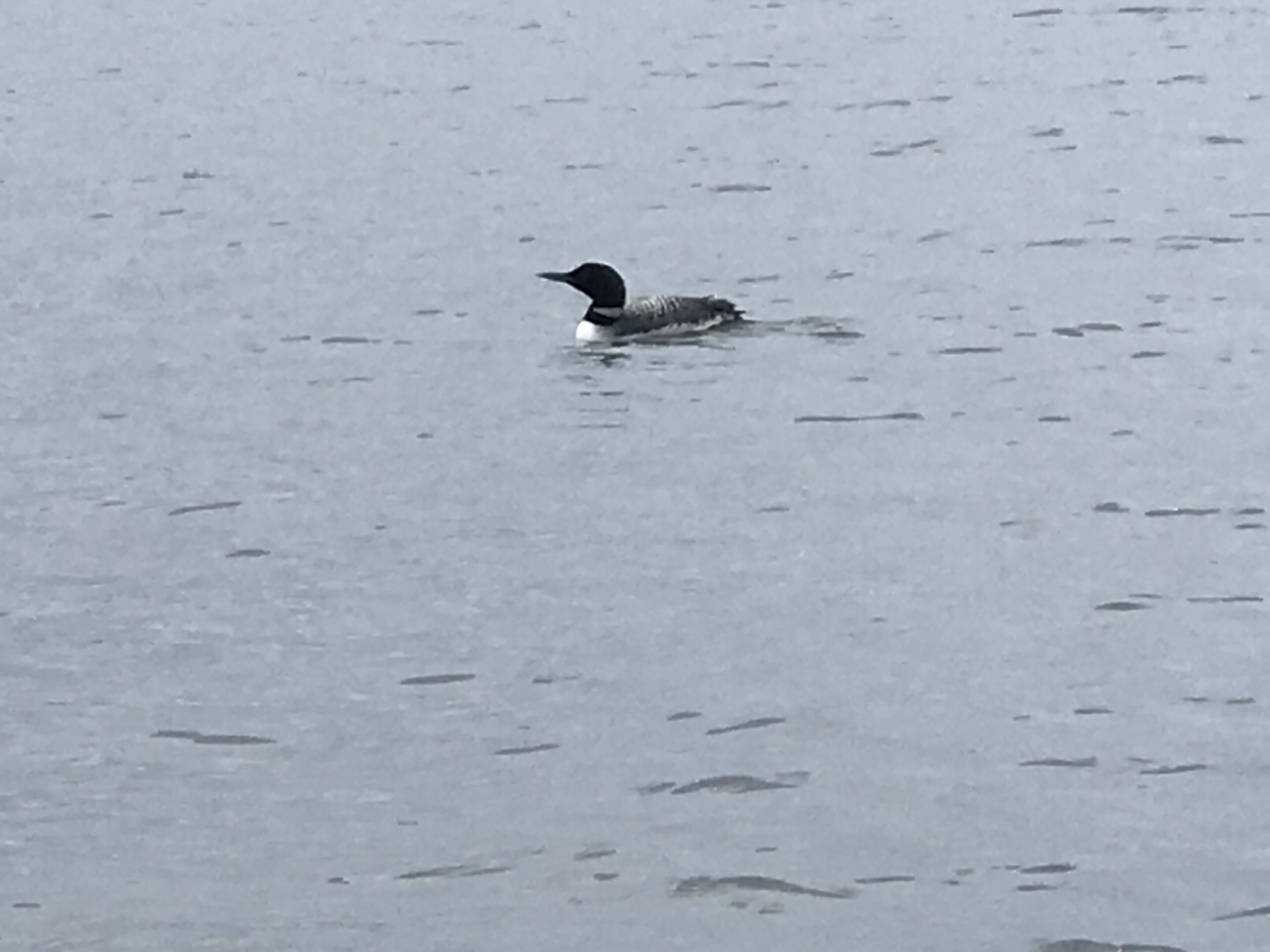
June follows Ice Out, meaning everything that has been frozen for the winter begins to thaw. Under all that ice is the eggs laid by everything waiting for sunshine and warmth. So one day it begins, where gnats seem to be flying everywhere and into your eyes and nose. So the head nets are doned daily. And then the buzzing begins and then the biting. You quickly realize that the bugs are hungry and you are carring the blood they desire!! Biting Black flies, mosquitoes, and horse flies are the most annoying. Drawing blood is frequent. June is the waking of the bugs, and there is also the fish taking notice. They begin to come closer to the surface for the warm waters and the bugs to eat. The eagles, loons, geese and pelicans are already there…….waiting! Its a perfectly timed symphony and getting annoyed is not the choice, but rather your part in that symphony! It only last a few weeks and then it is gone.
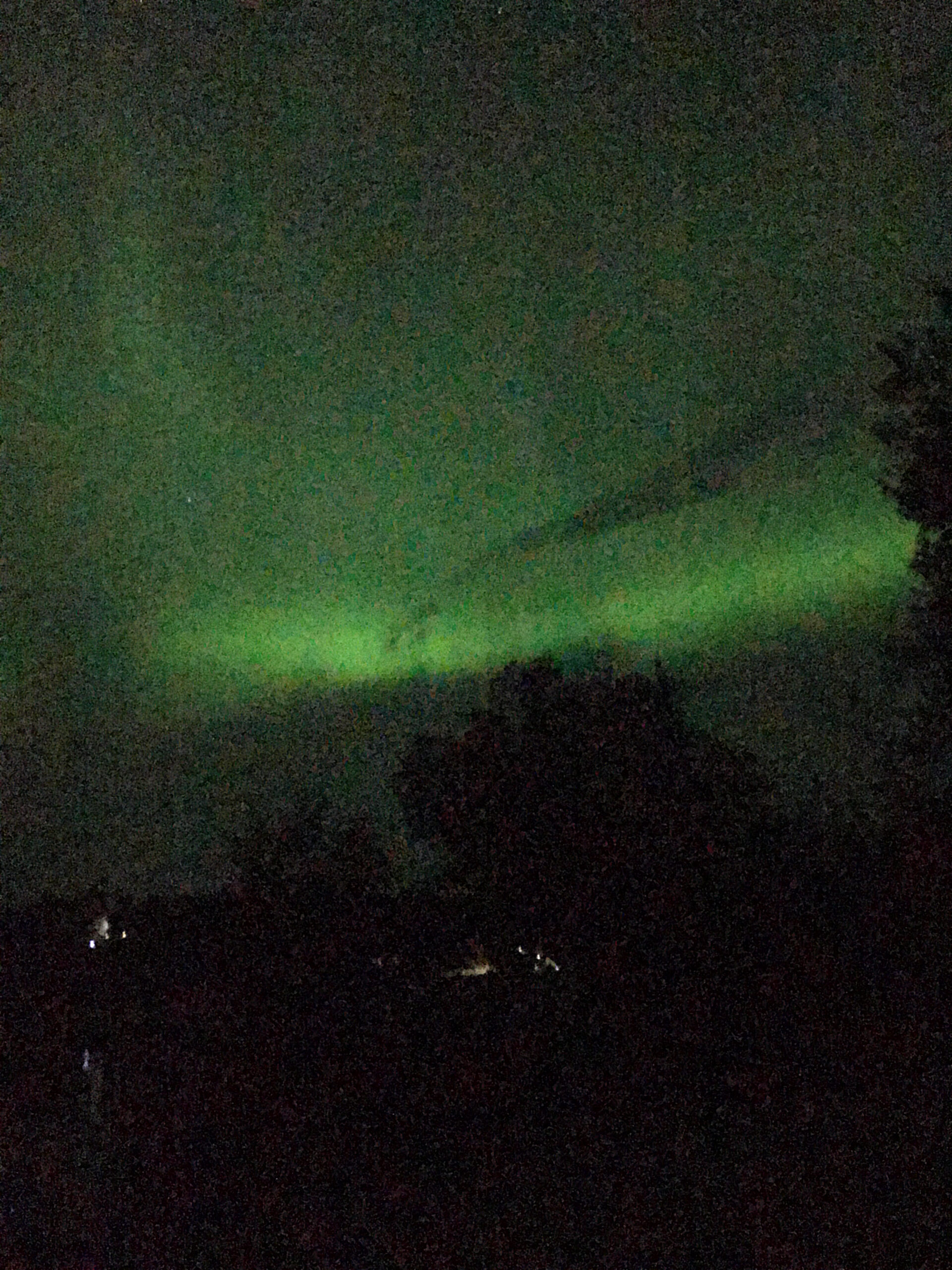
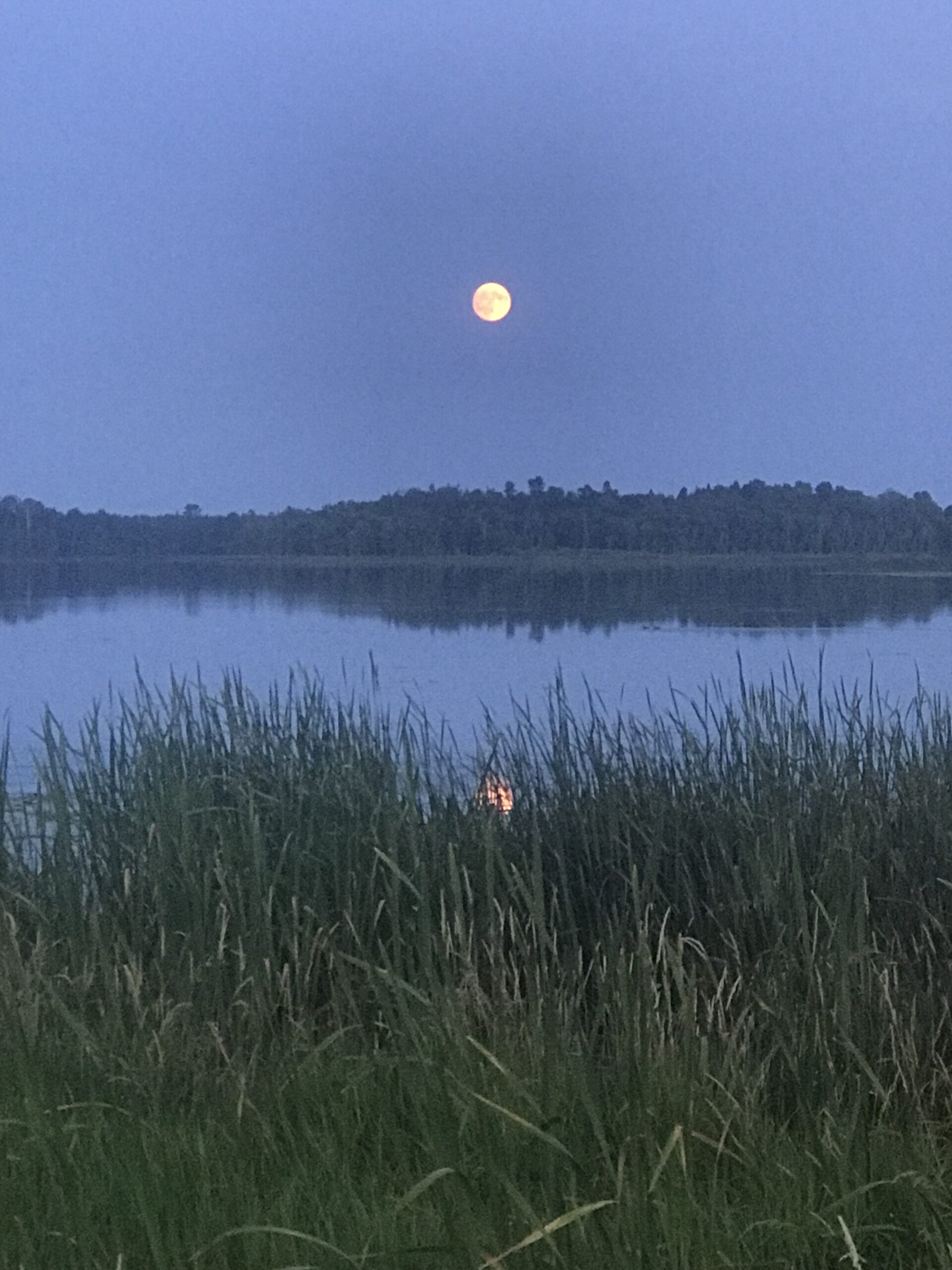
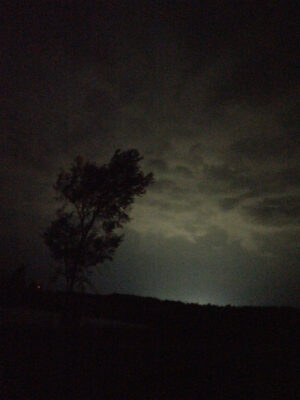
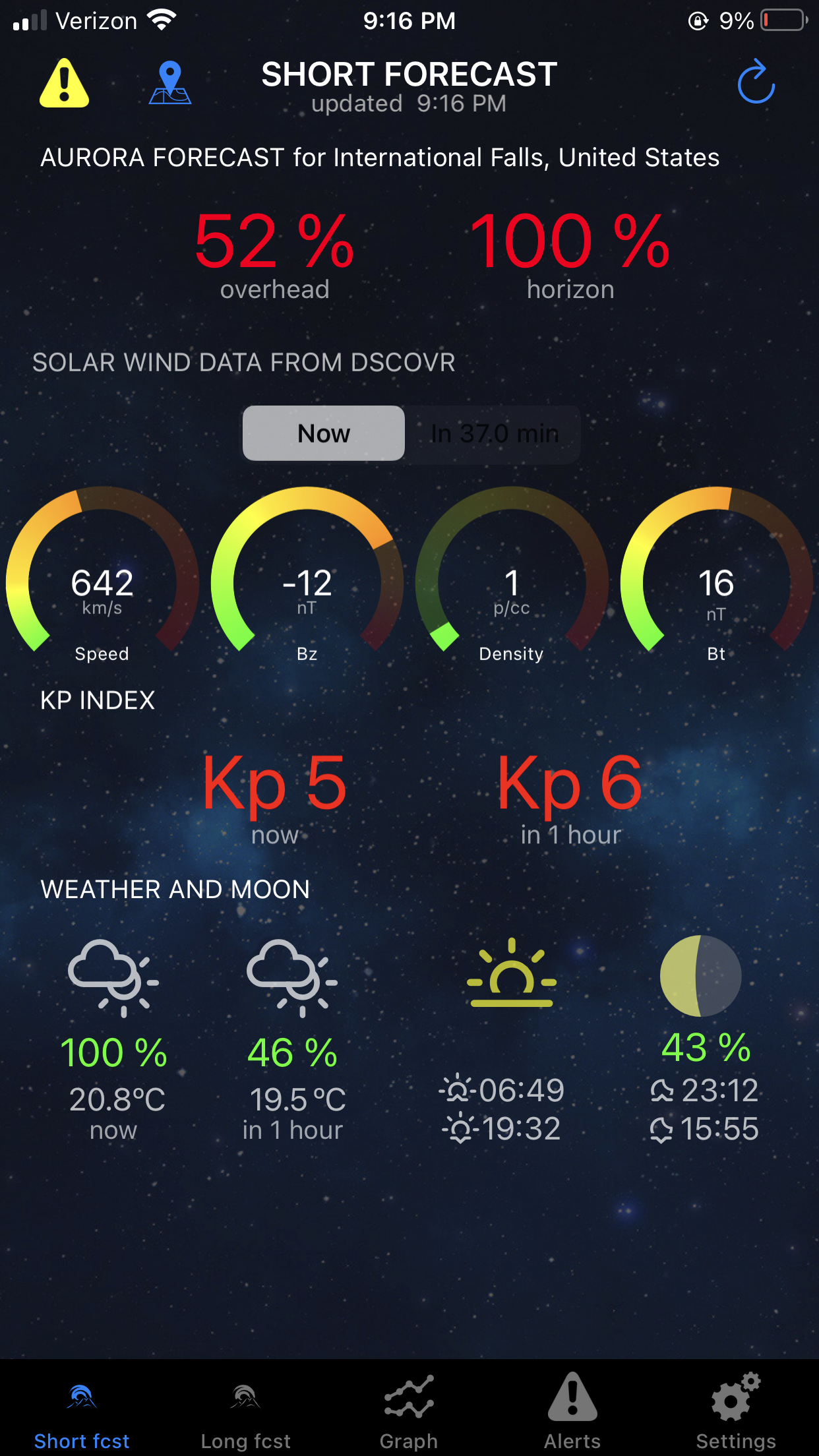
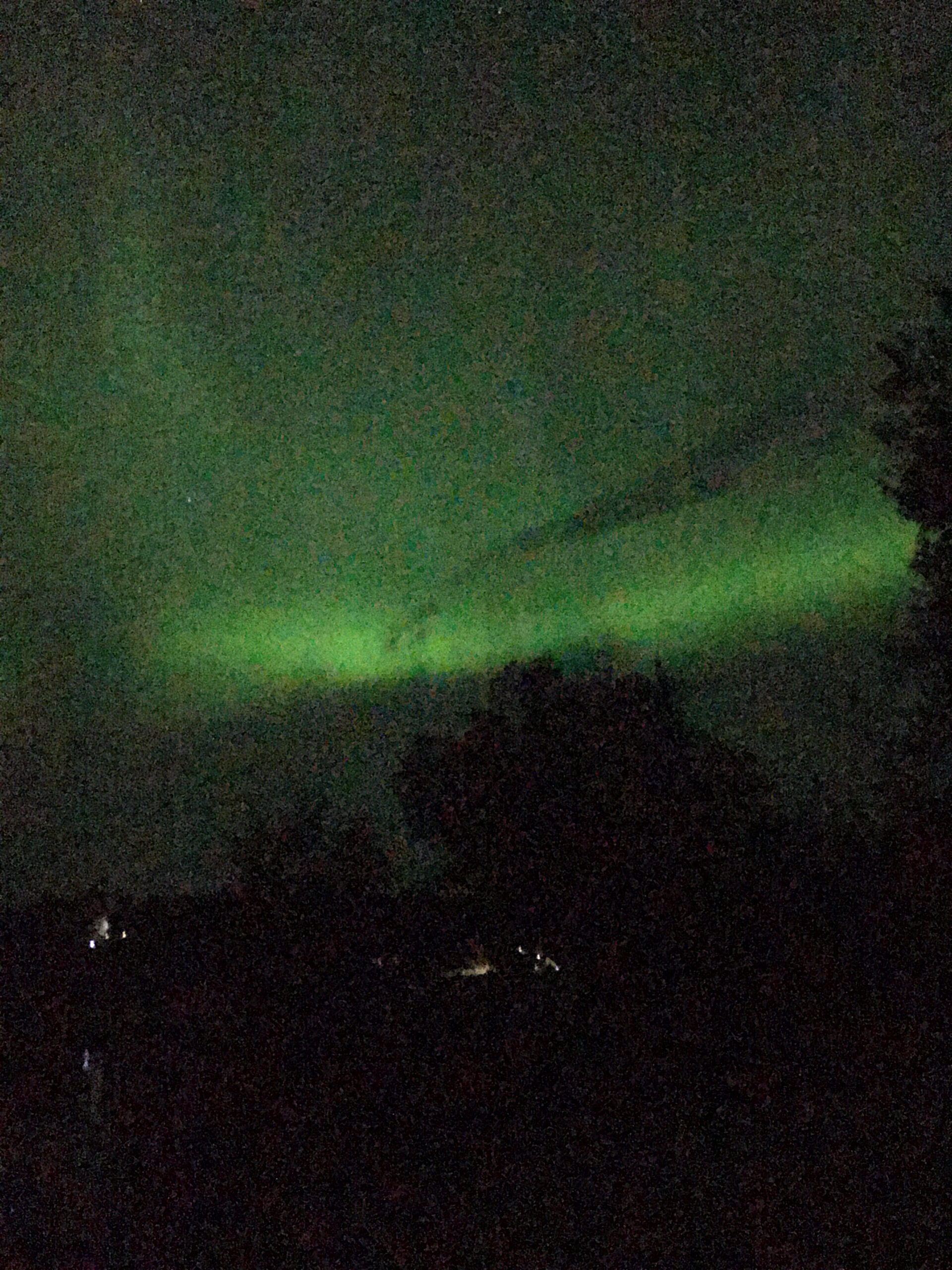
Leaves are already on the trees, the evergreens have stood bravely through minus30 and survived. They all now draw the sap they lowered in autumn into their roots, and slowly breathe deeper oulling the lifeblood upward towards the sun. With that the buds begin to show and grow. Pine cones bud and pollen heads get full. The world of the North Woods now needs the pollinators! Wind, Bees, Butterflies, Birds and even people! By the end of June flowers appear and the fragrance they emit is intoxicating. If one decides to venture into the dusk, the nigh, the swarms of winged biters, the night sky does not disappoint. The Aurora is ever present and always possible. The howl of the wolves return a song and one sees the life in the dark like unseen in the light. Magnificence is present and she is wearing a brilliant swash of color under the light of the moon.
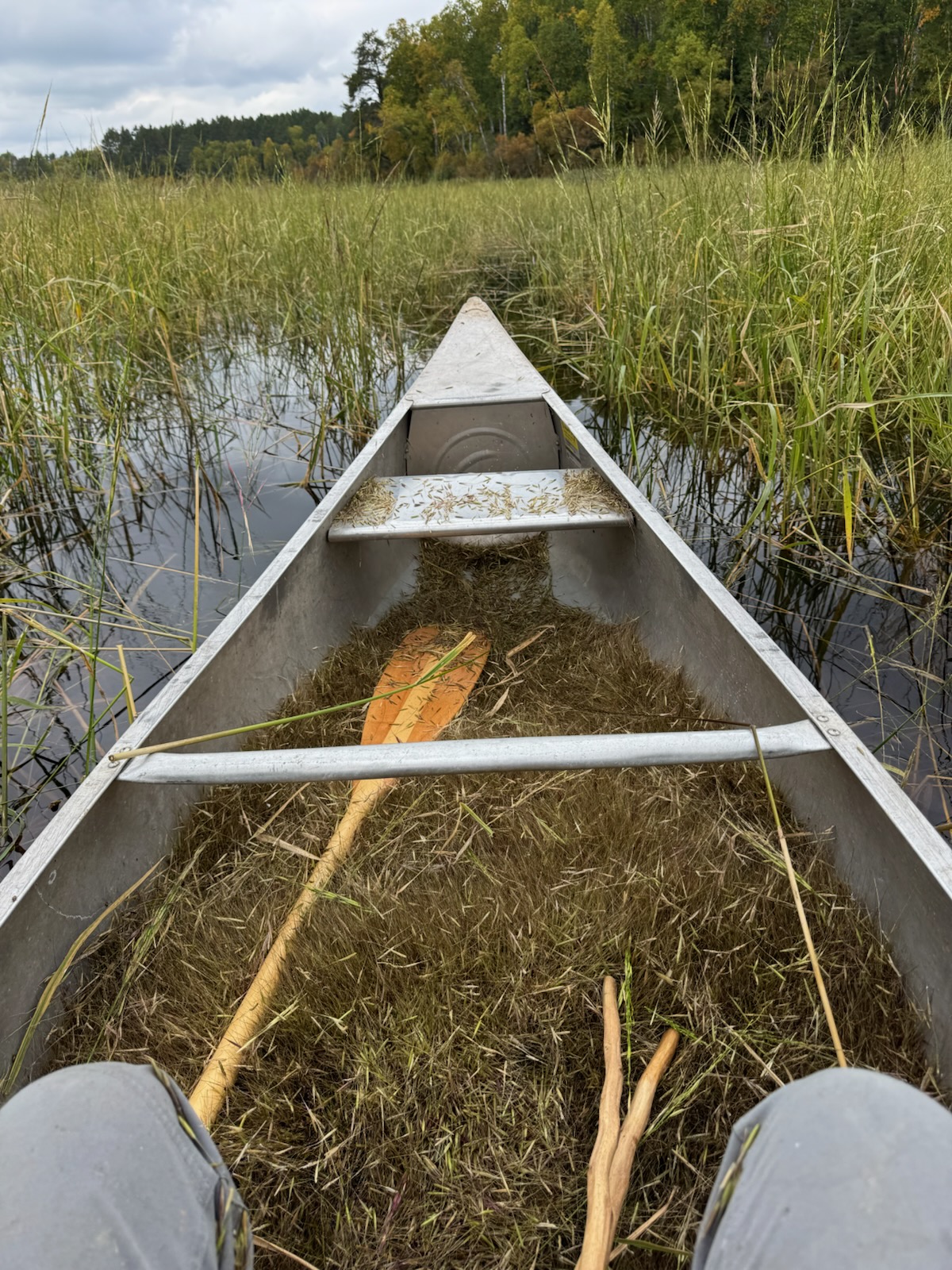
As an Environmental Scientist who is in love with the ecology of forests, I have come to know the PNW forests of old growth Douglas Firs, and the Southwest Desert systems of Ponderosa Pine and Oak forest ecoregions. I had not ventured into the deep North Woods until my arrival in the land of the Ten-Thousand lakes, but more specific the dense dark woods of the Boundary Waters. There is great diversity of tree species here from the largest old growth once being the Red and White Pines. The logging era and creation of dams in 1905 time, cut and floated these giants out of the lakes and into building products. Pulp mills were created to take the smaller species out as well. The water of the rivers were needed for both ventures. Before the stories of the white entrepreneurs like Backus, there were two great cultural stories in these waters entertwining. The Ojibwe were not the first Indigenous people, as the Forest Sioux, Dakota, Clovis and the ancient Moundbuilders have left behind artifacts and mounds along the riverbanks from ten thousand years ago when the Last Glacial Maxiumum began to melt, forming the enormous Lake Agassiz. When the melt waters pushed and flooded the lands to the south and east, a fortitude of cold water landed in the Atlantic Ocean which cooled the atmosphere and caused a cooling period noted in history as the 8.2k event. When things settled, so did the humans. The stories of the Ojibwe, by vision of an elder to migrate west to where food grew on the water (wild rice) and wildlife was plentiful in the forest (the north woods) They landed on Madeline Island, and spread west to Nett Lake. The generations that followed are now called First Nations and along with Canada and USA signed Treaty Three to be co-caretakers of the waters in the Rainy River Watershed.


JULY
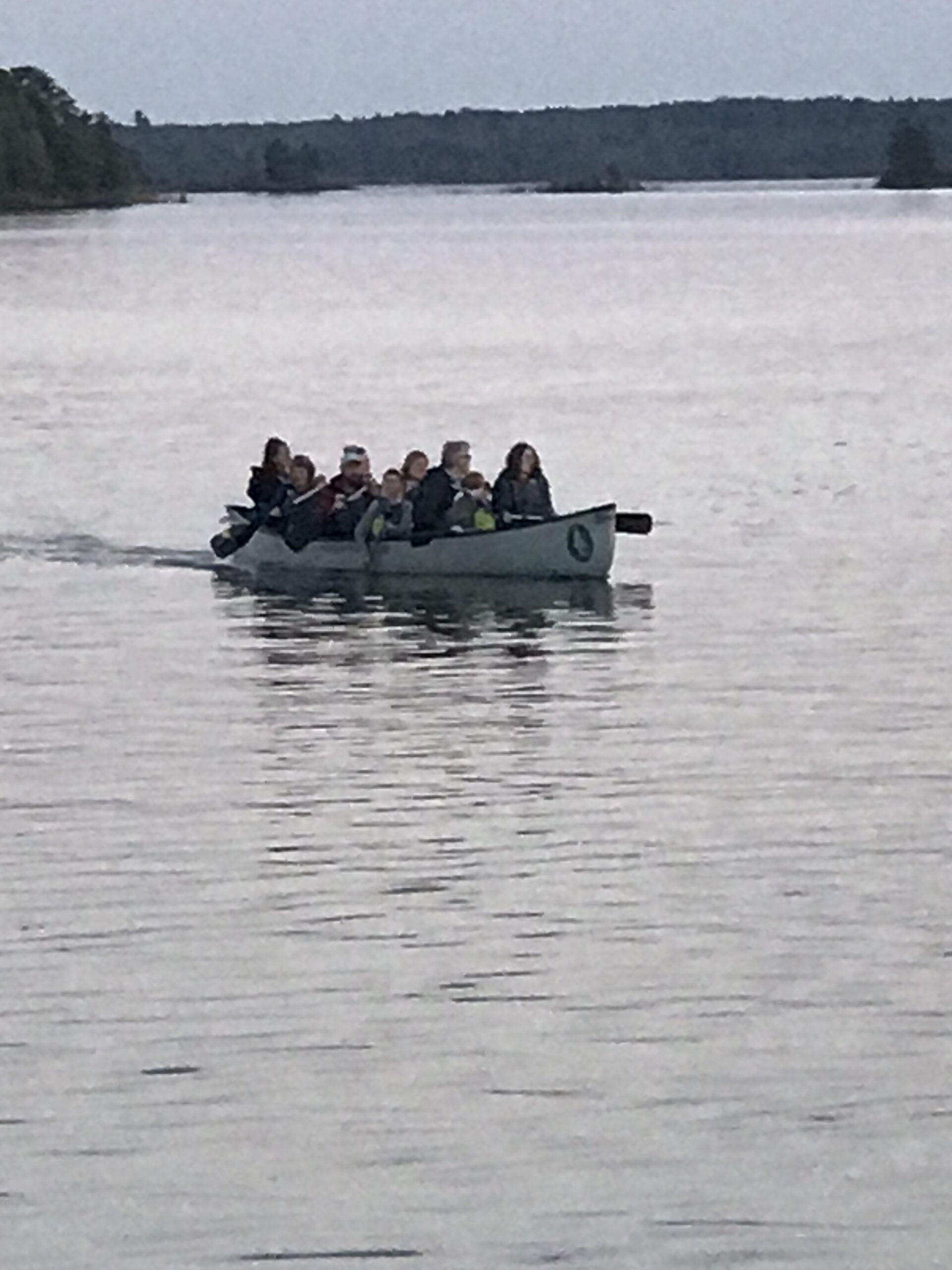
The boat tours at VOYA are in full swing in July. Visitors increase and some wander in as an unknown place to them. They come on their way to Isle Royale. The passport stamp seekers cross over into Fort Francis for a few hours and then move on to the Islands on Lake Superior. But alas spending time in the north is a must! Arriving on the northern border you are in the glacial waters making the land a minor part to the enormity of water. People arrive at the park looking for a classic NPS destination drive. And realize the VC is the end of the road. Without a boat you miss 99.9% of the park. There are 275 camping sites but they are all on the islands, no classic camoground to be found. You can paddle or motor to the most amazing campsites and greeted by Northern lights and wolf calls in return. 350sq miles of National Park by boat. Within 3 hours you are in the Boundary Waters Wilderness, Superior-Quetico National Forest, Lake Superior, Grand Portage National Monument, Isle Royale NP, Apostle Islands NP, all where moose and wolves and beavers rule!
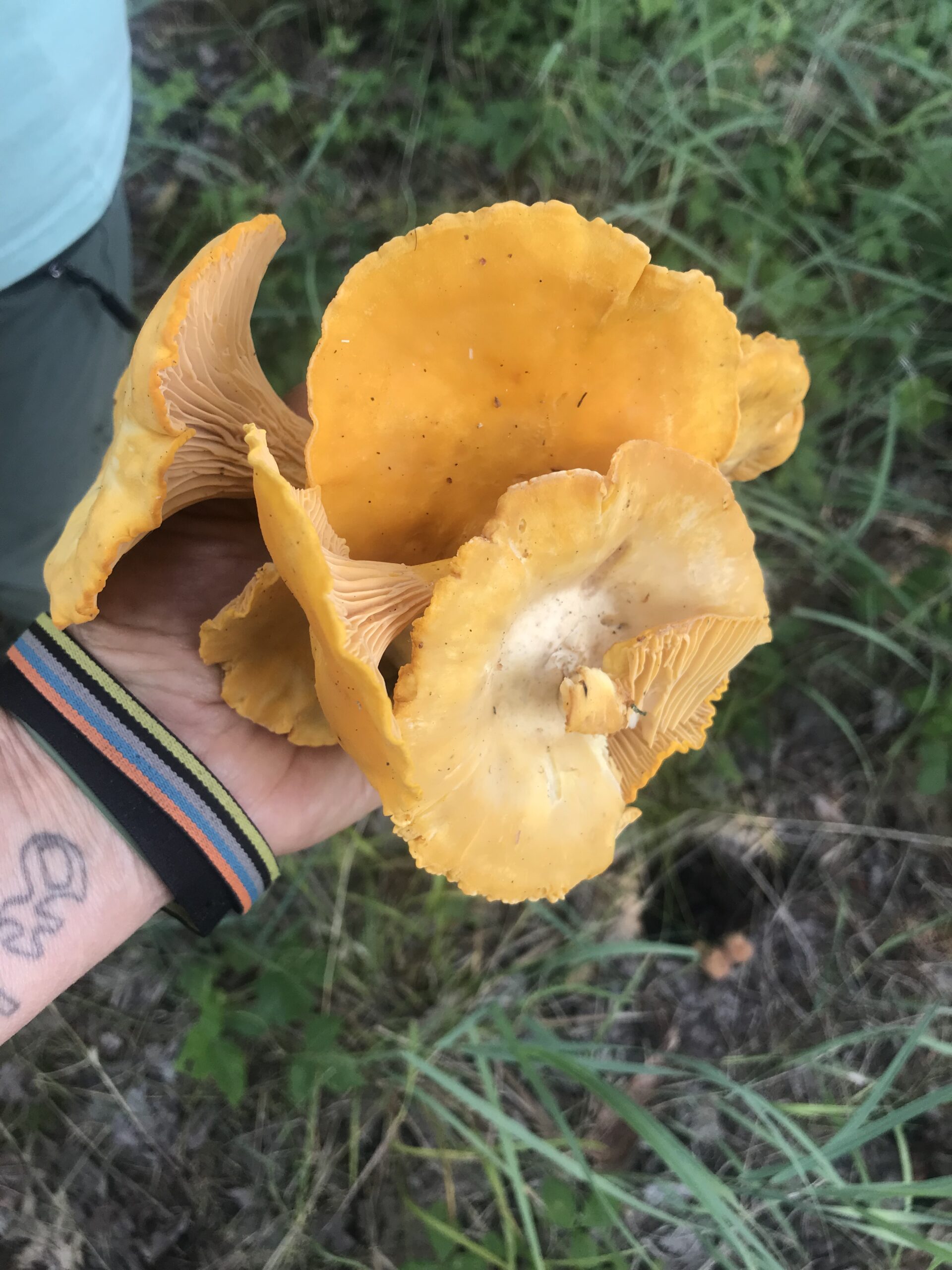
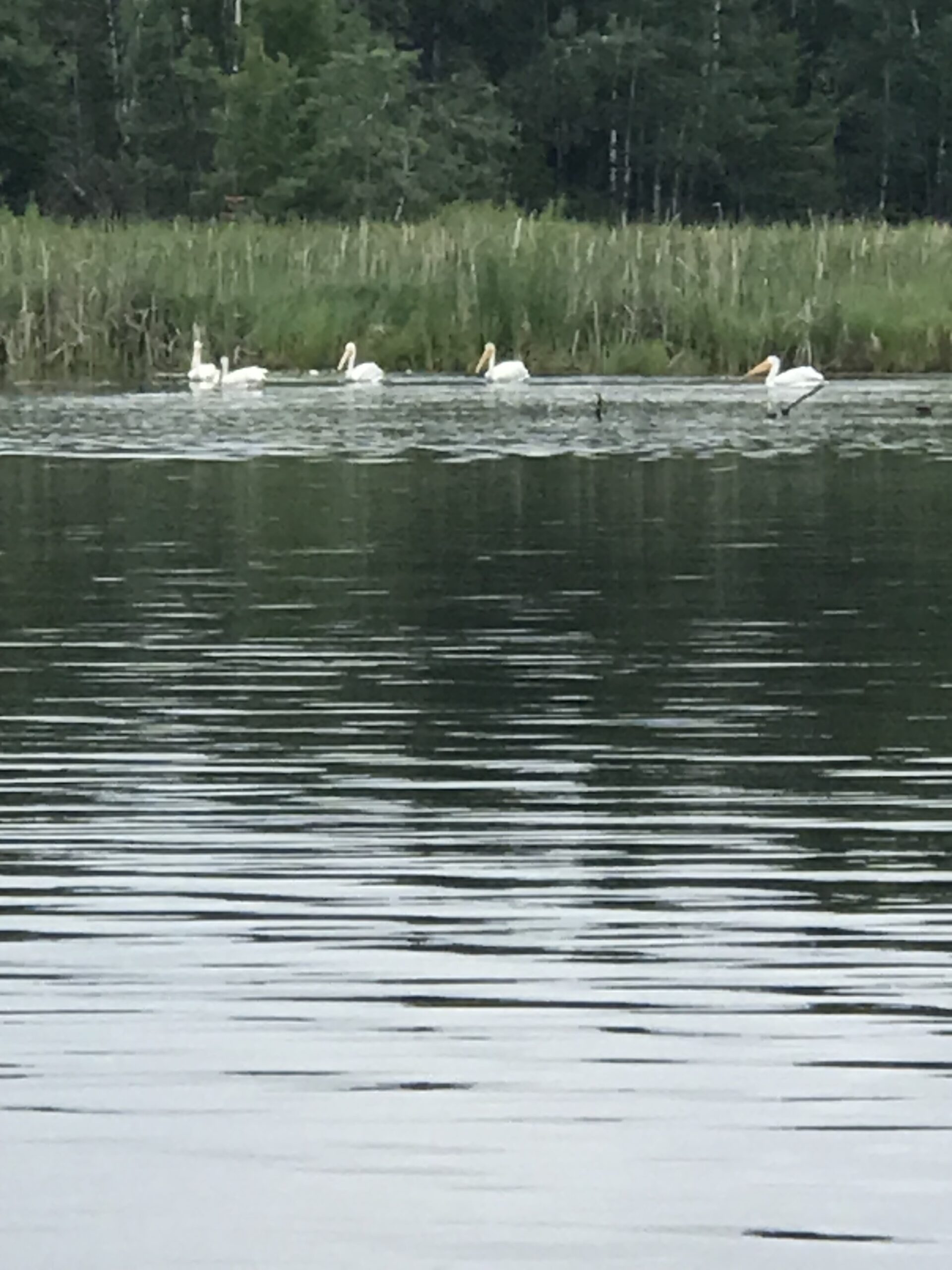
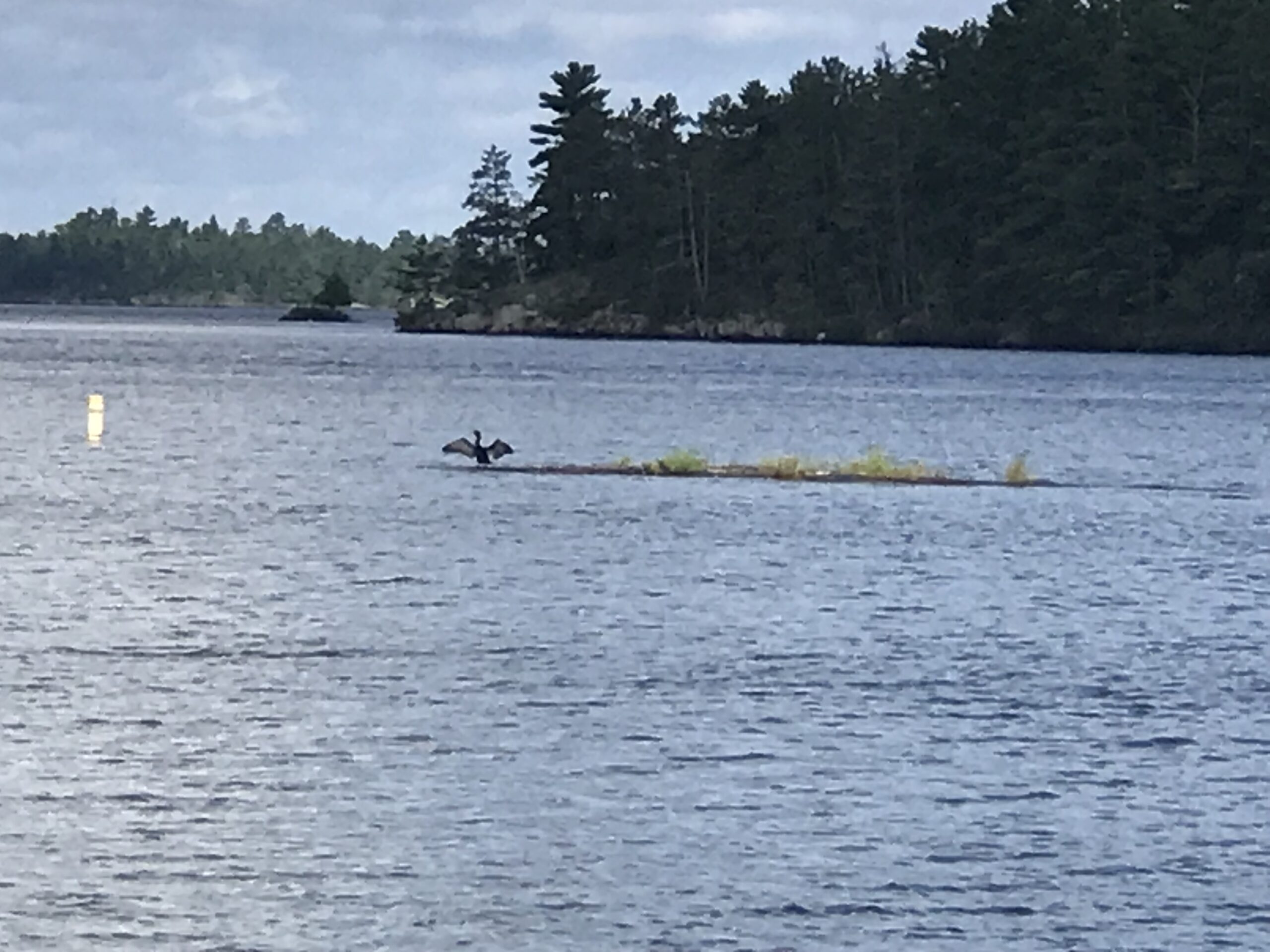
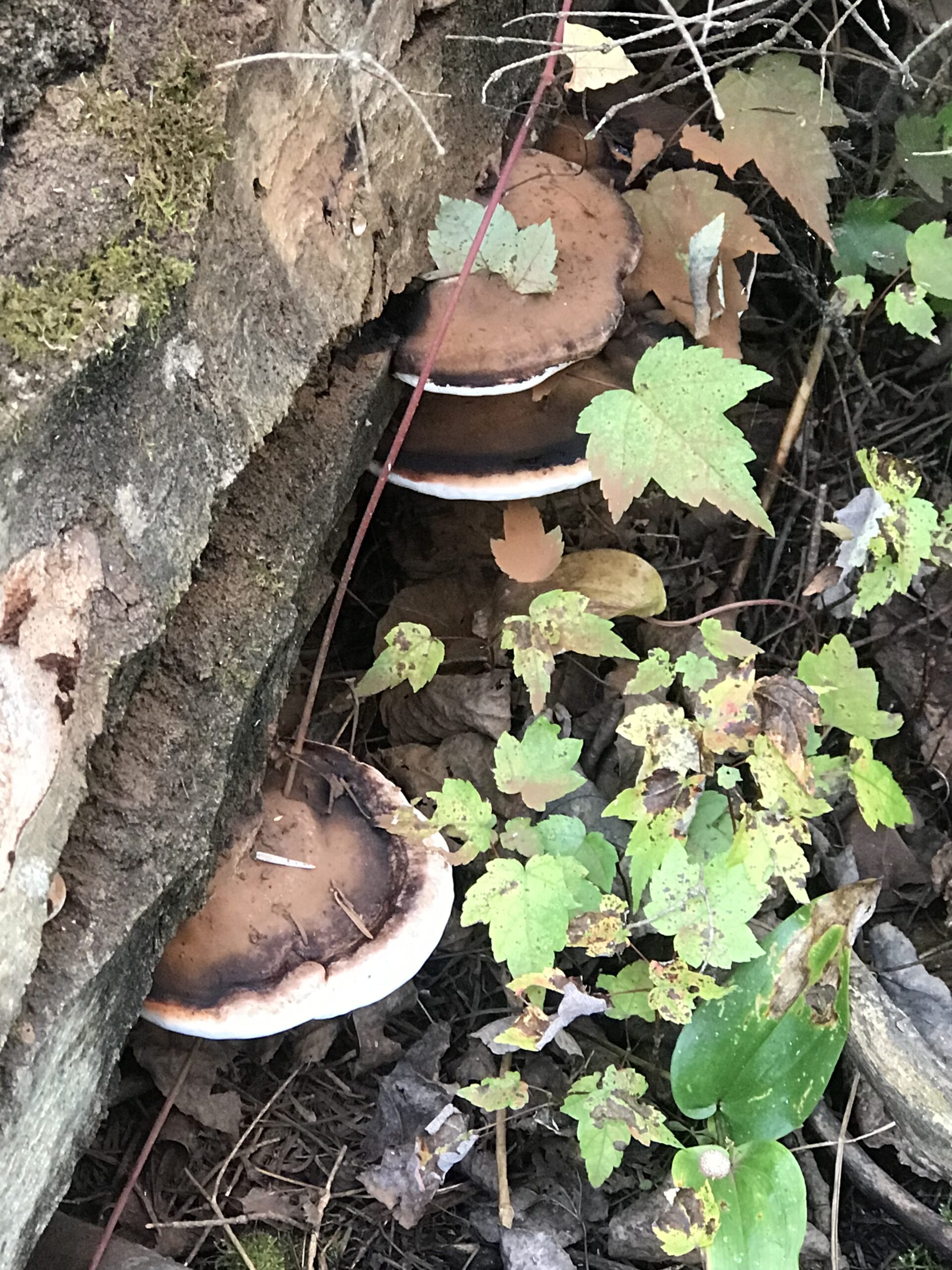
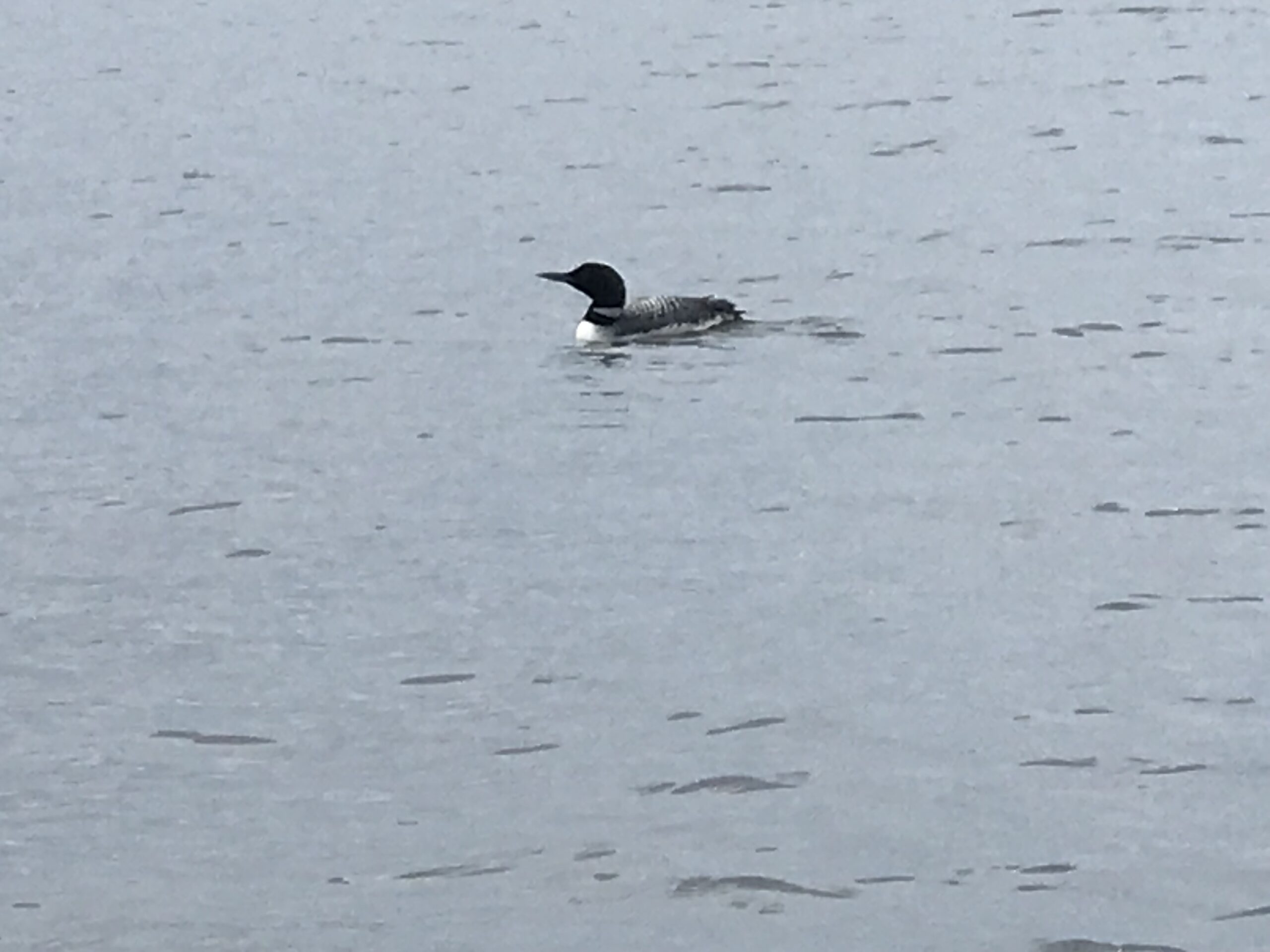
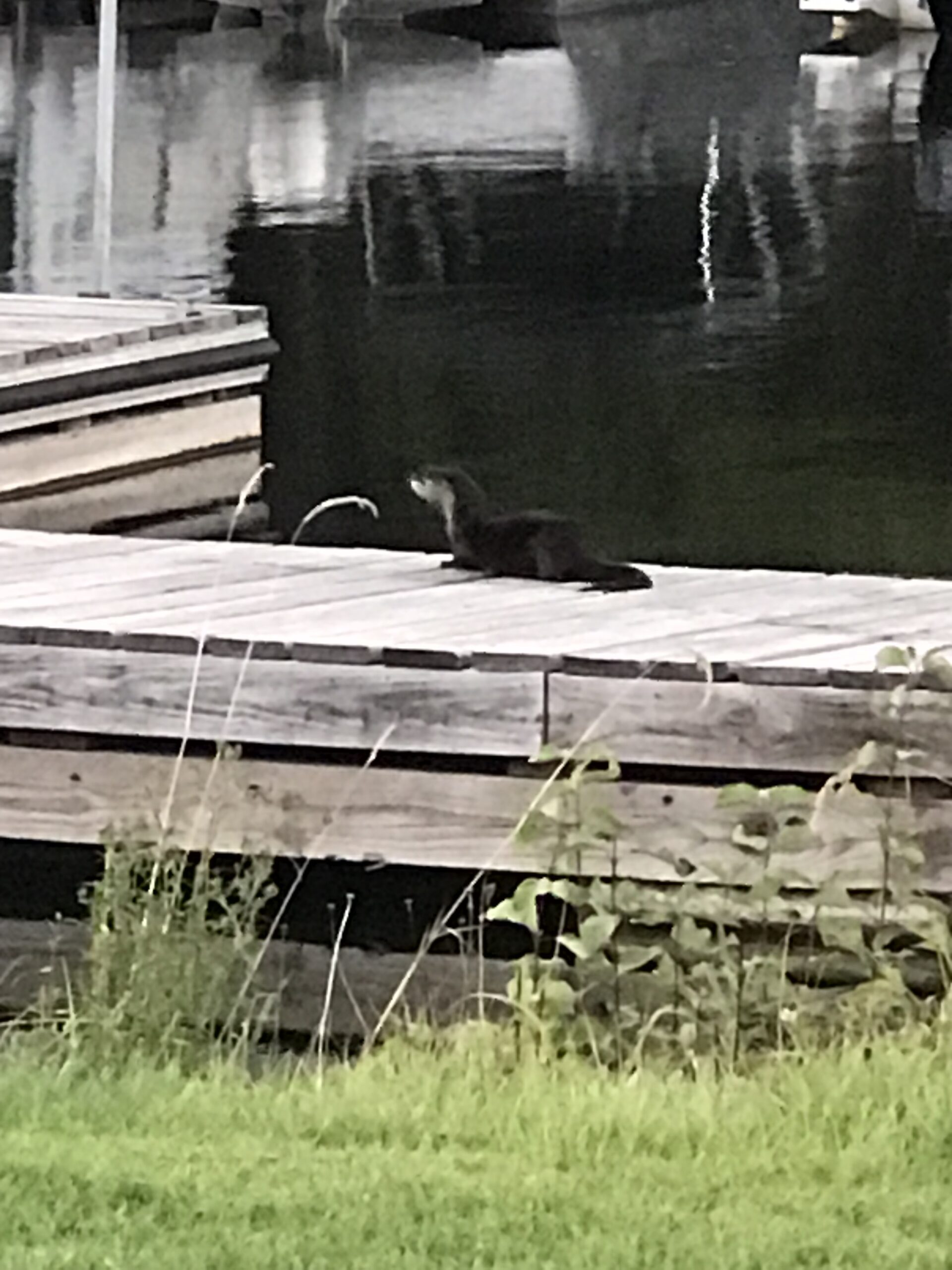
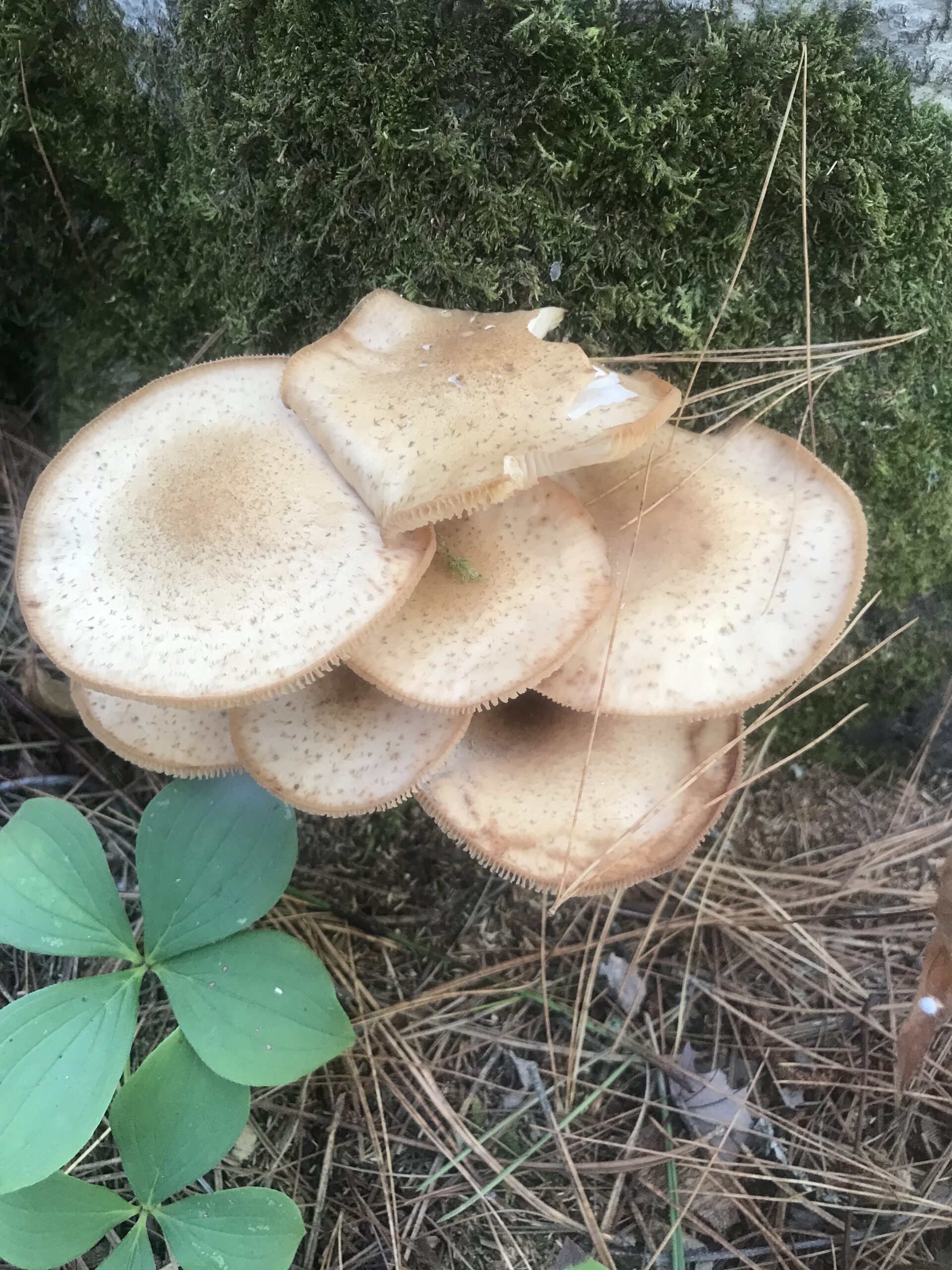
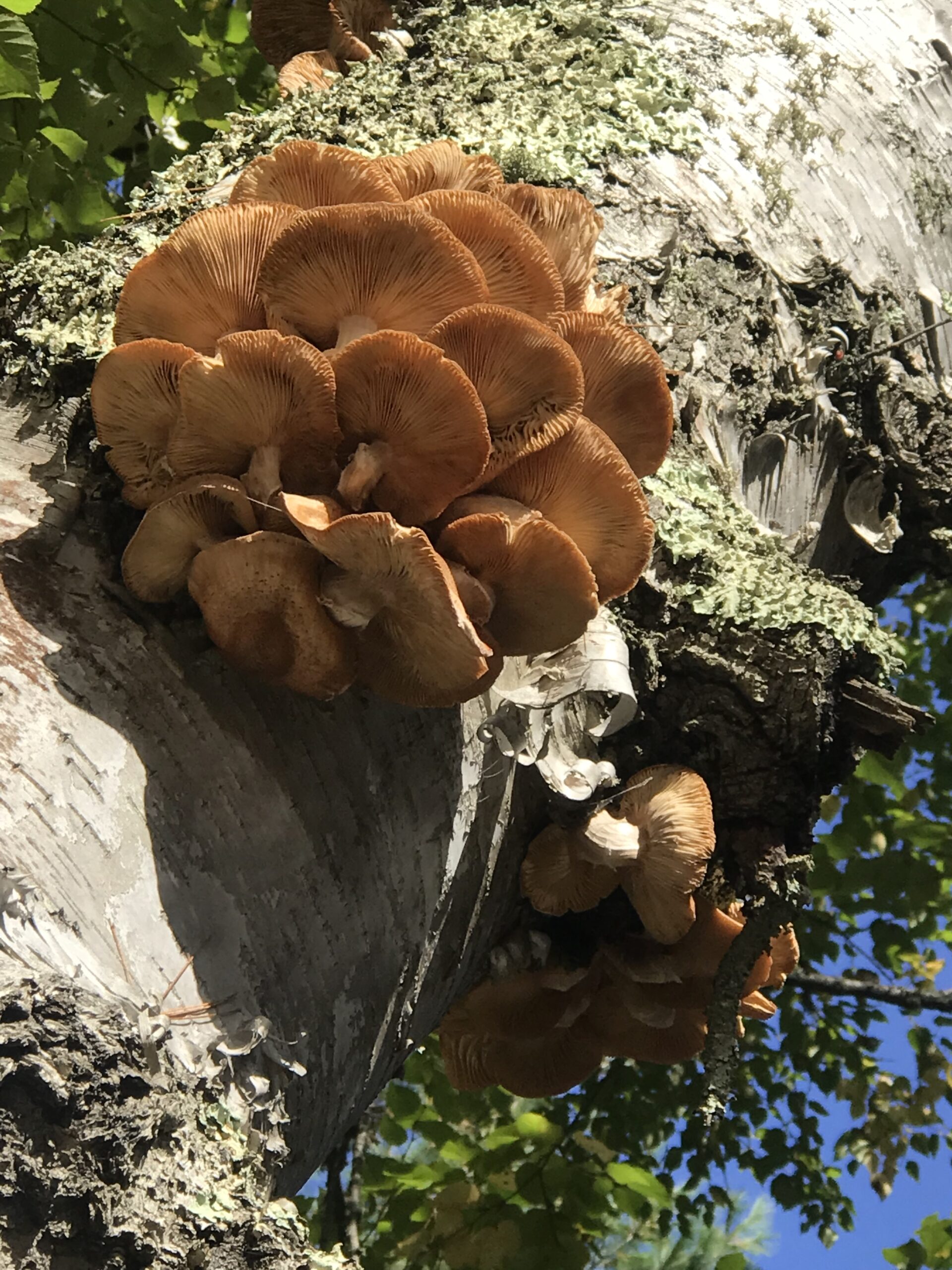
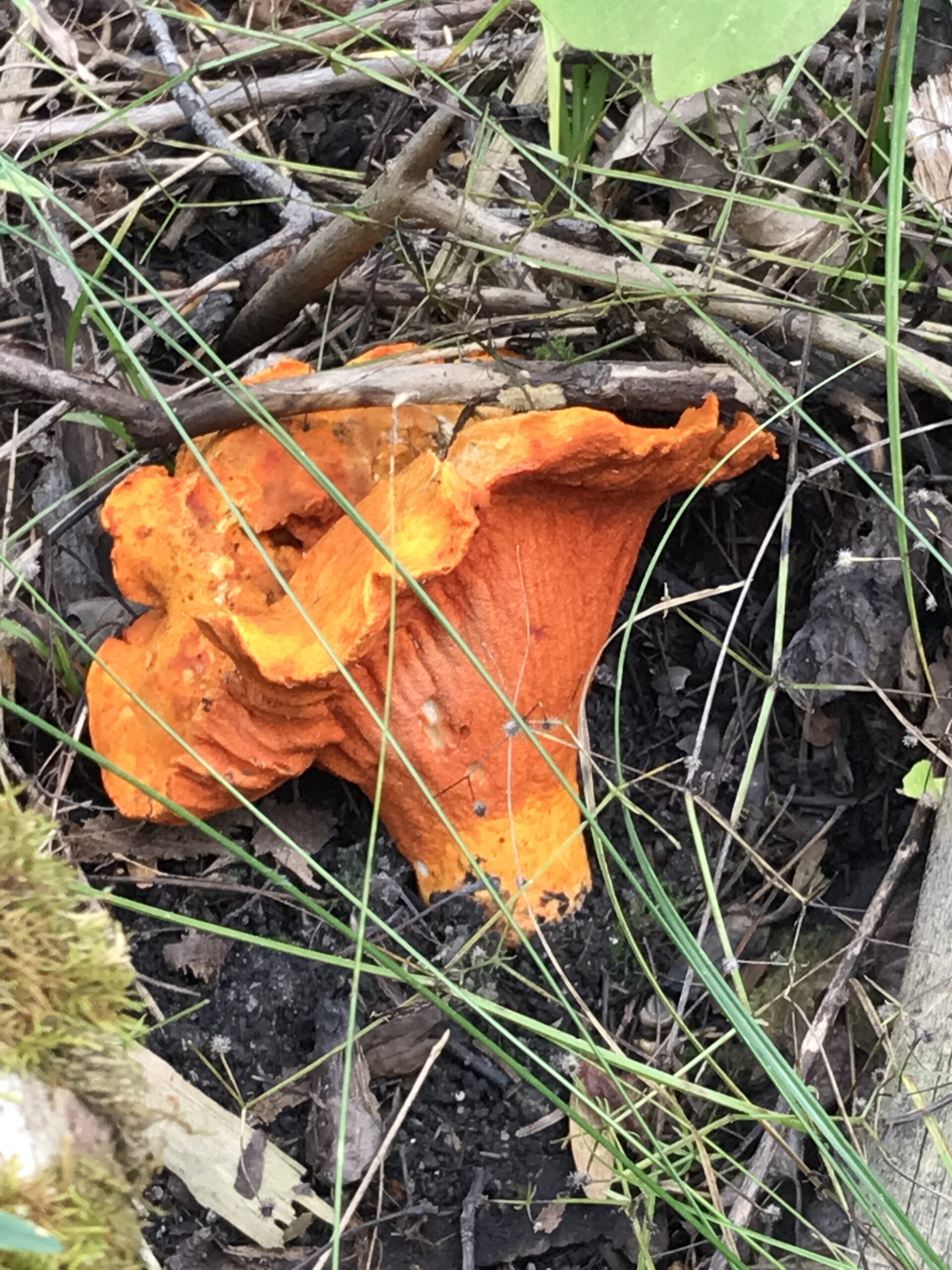
July 2025 brought a relief of the bugs, no head nets required anymore. Still watch for ticks. Always watch for ticks! Pelicans were fishing, parades in little towns like iFalls for July 4, and lobster mushrooms were everywhere. In the mycology world, lobster mushrooms are a yummy treat. They are stinky, orange and huge! Blueberries were arriving on the sunny sides of the islands and the black bears were happy. We had on black bear for about 6 weeks, on every Monday morning at 1030am, sitting at the same spot on an island the boat passed by in the morning tour. It was always on my tour, so I was called the Bear Whisperer! And then one day he was gone, swimming across the lake to find more food. We have seem a group of otters, beavers, fishers climbing trees, deer, bear, eagles, loons, pelicans, warblers and so many species of life that call this place home. Some stay year round and some leave for the winter following the Mississippi River south to fish.
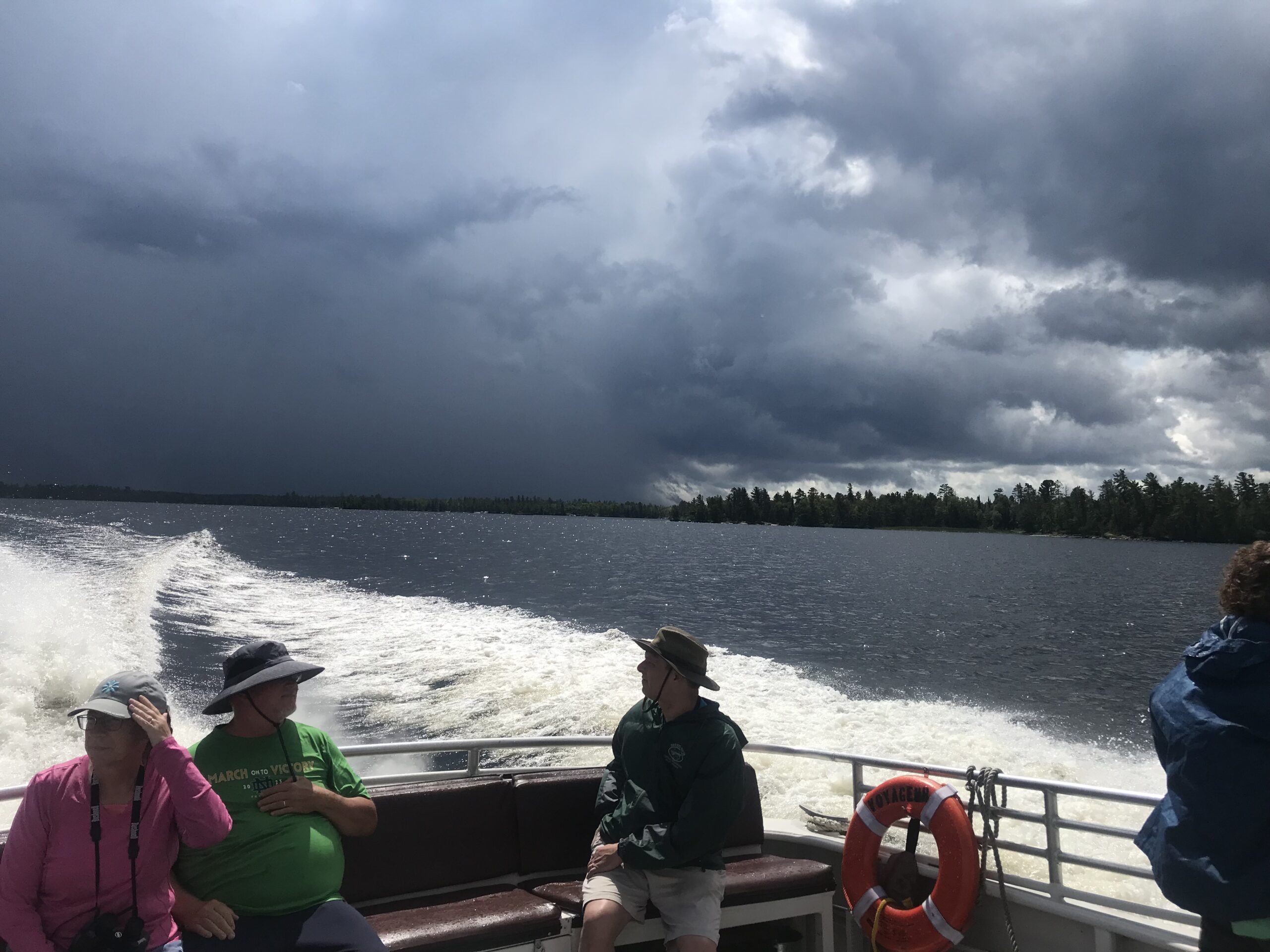
July 2025 was a bad time for wildfires. Canada’ forests were on fire for weeks and months. The air was saturated to unhealthy and the sun was an orange spot in the sky hidden by the ash. Rains came and the fires began to be washed out. On July 15 a storm arrived from the North and brought 3-4 ft waves to Rainy Lake. We were on a boat tour when it happened and it was quite an adventure in the return with 53 persons on board. We arrived safe! Good thing we don’t call it the “3 hour tour!”
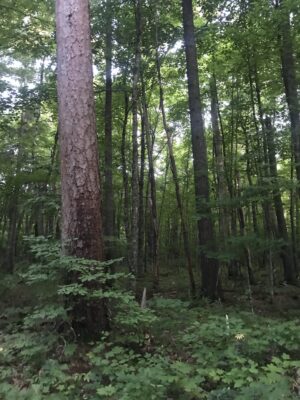
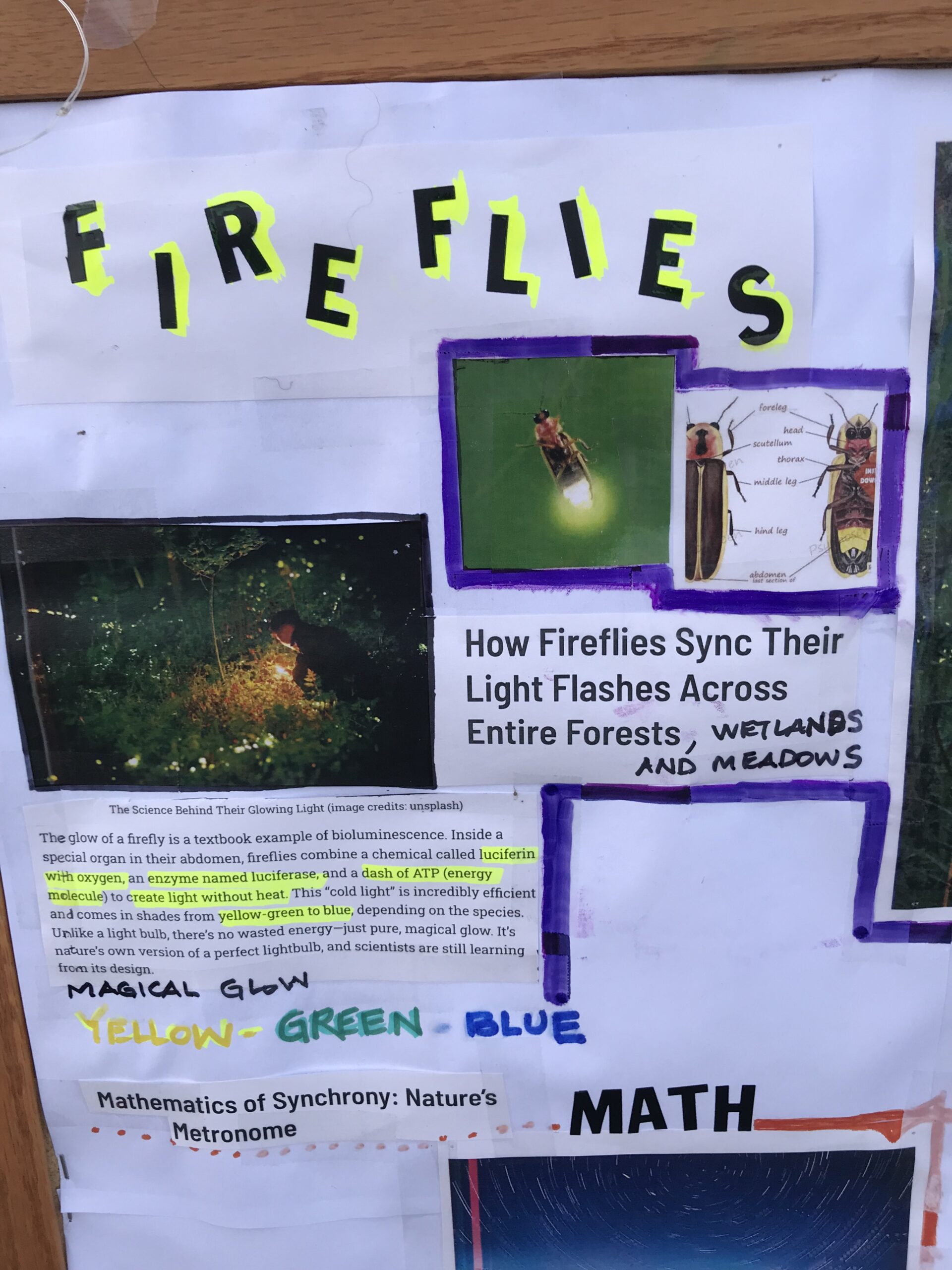
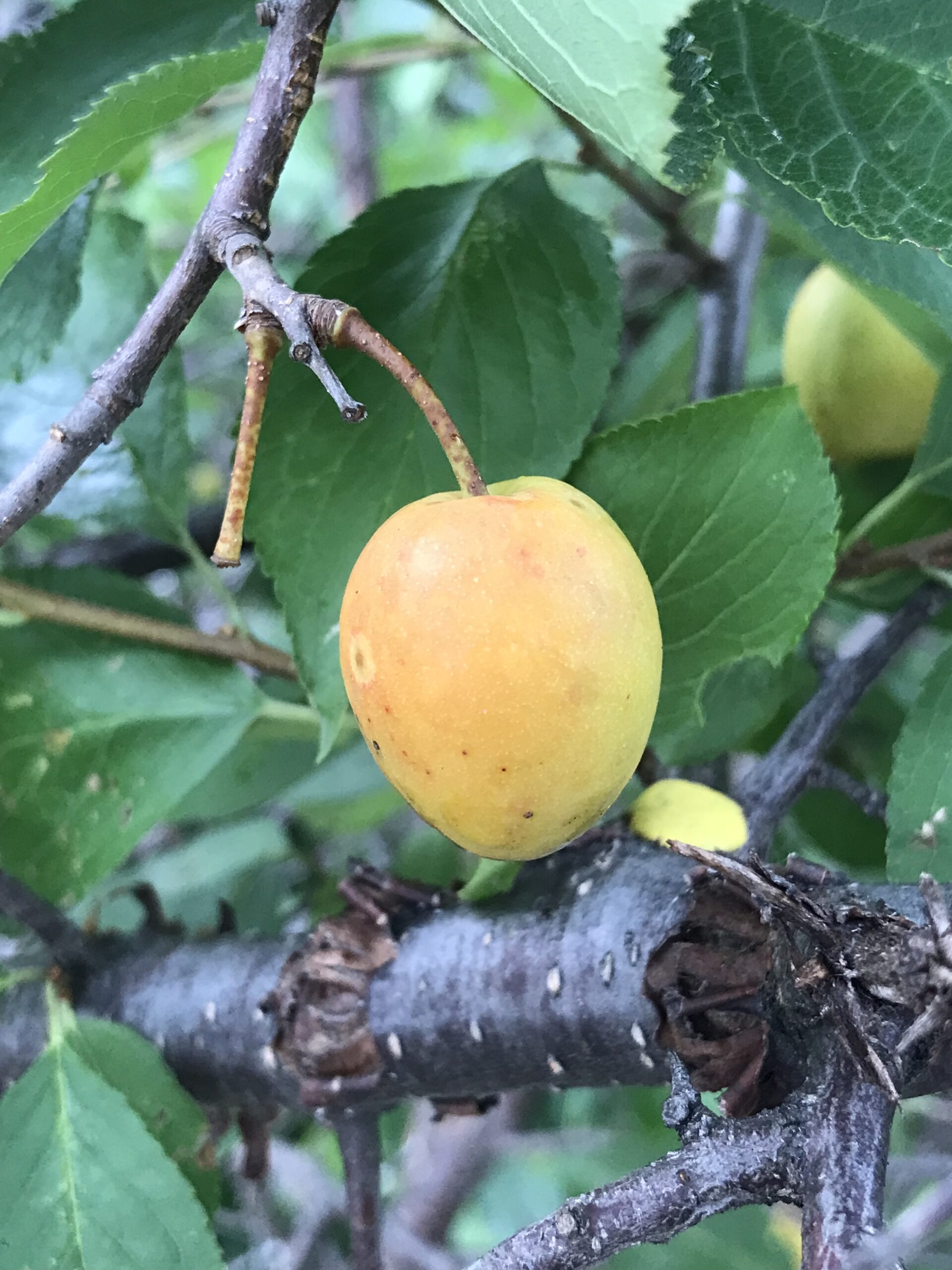
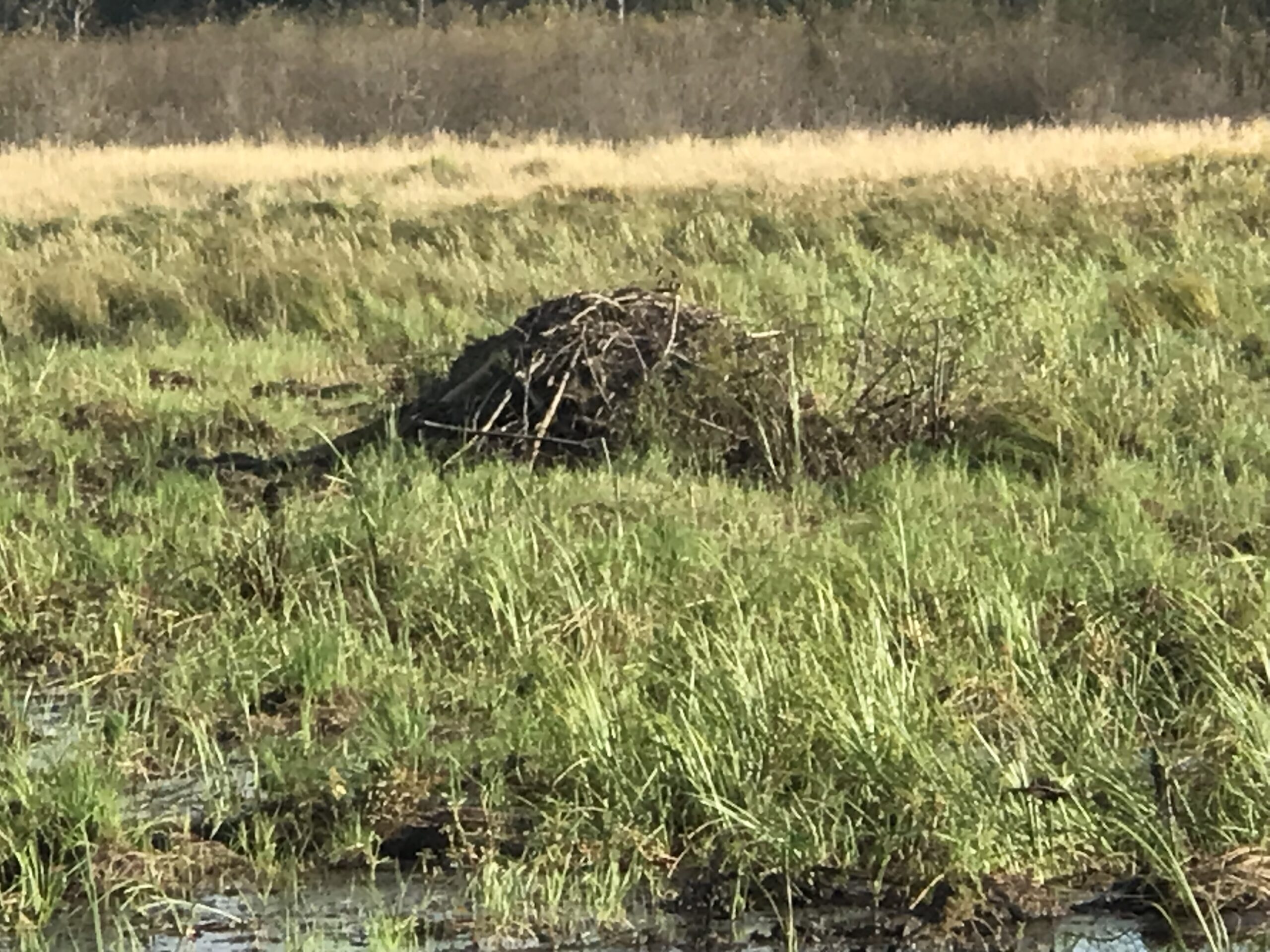
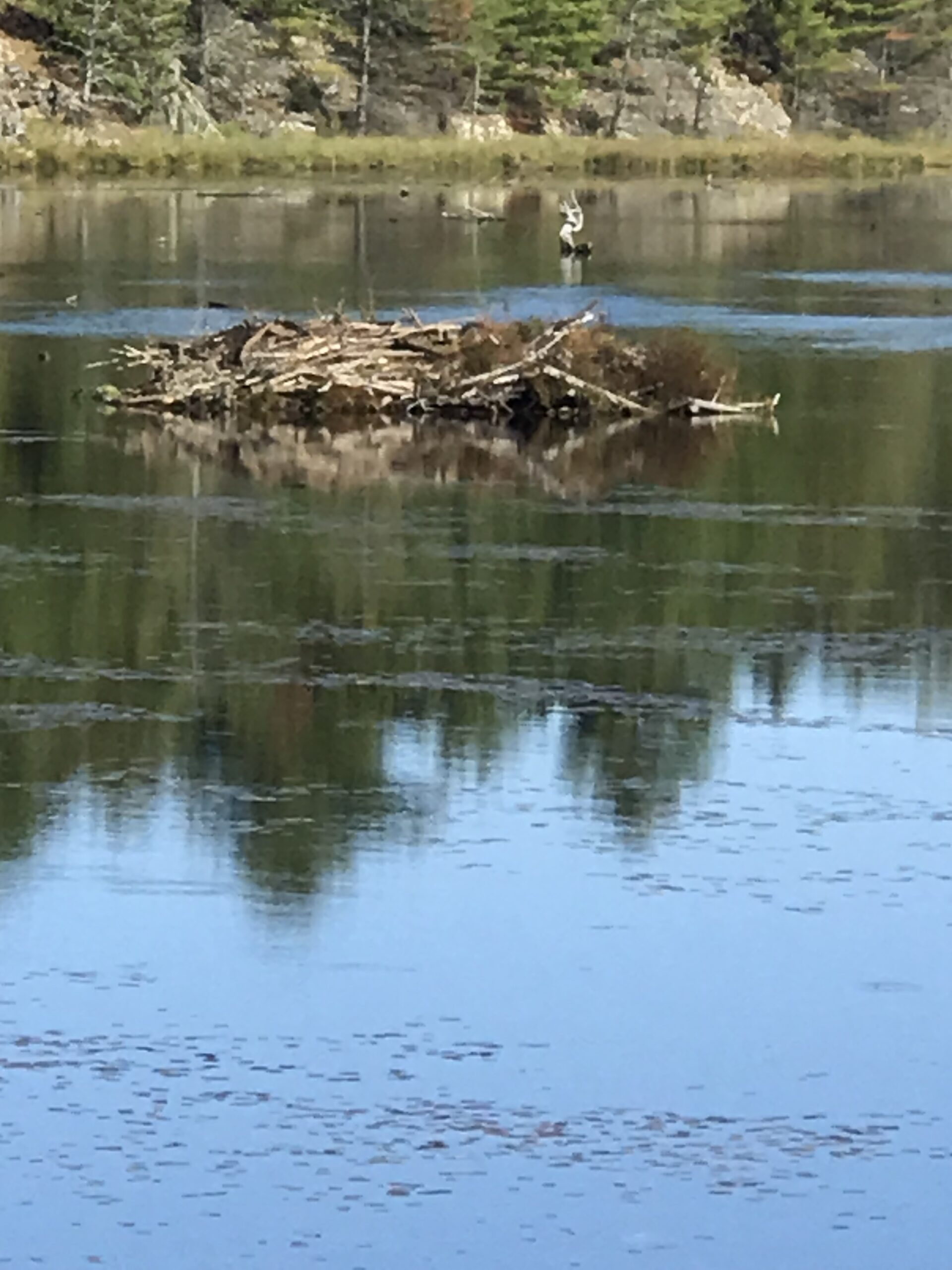
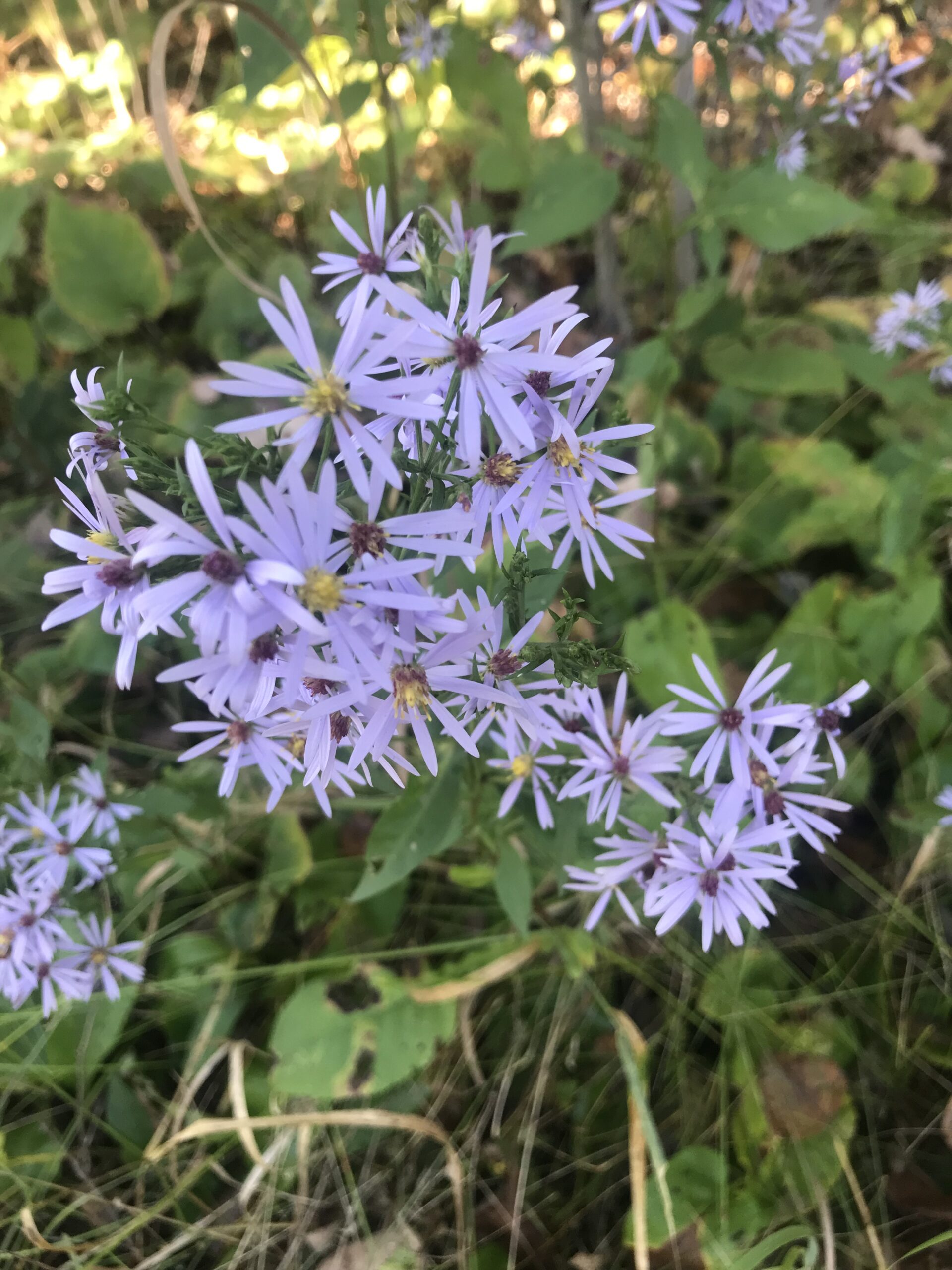
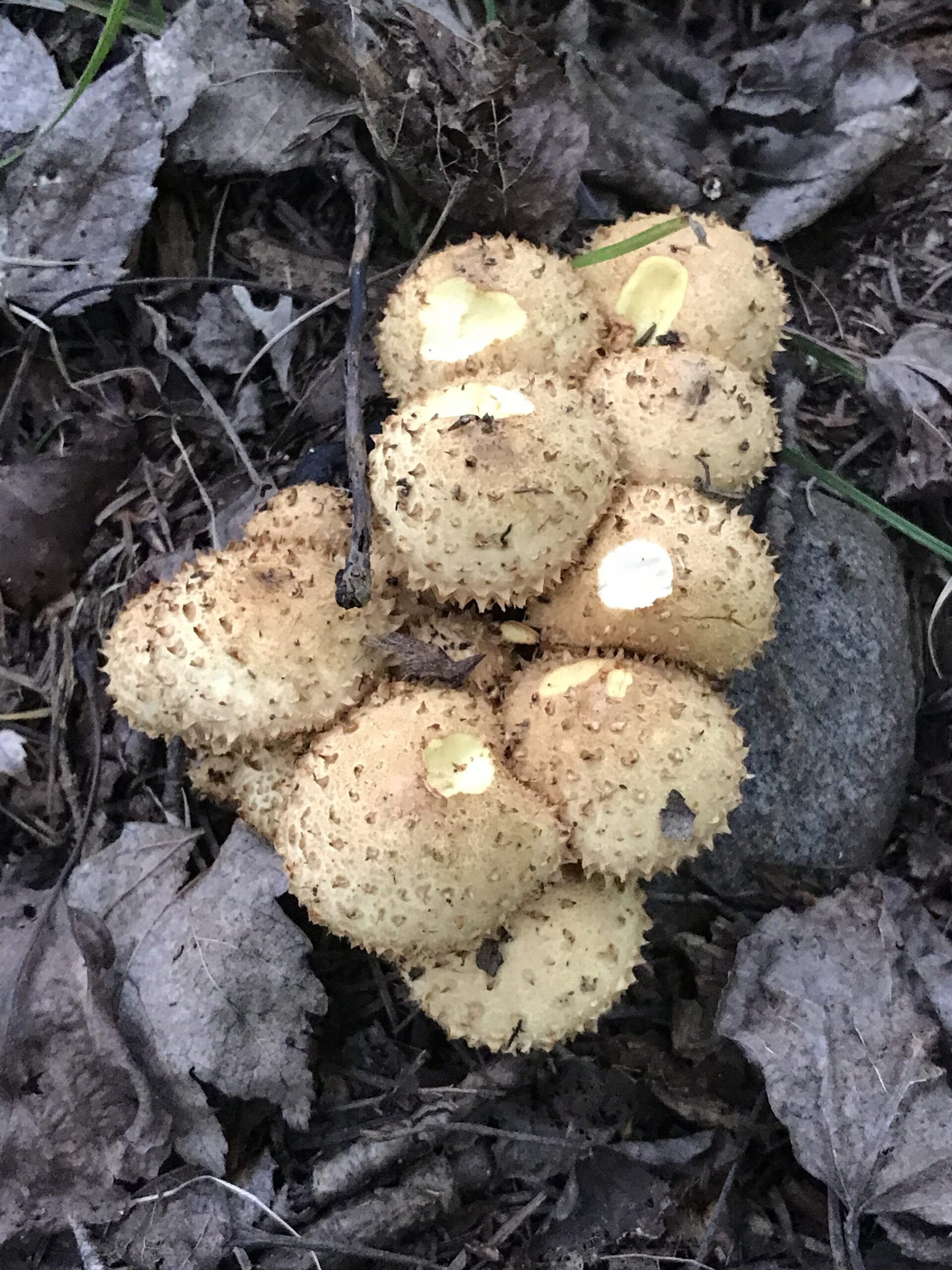
Eagle hatchlings were now poking their heads up out of their nests, and parents were fishing to feed their hungry screaming babies. Wolf and fox prints were seen in the muddy trails, loons were calling, berries were ripening, and buckets in our old apartments were catching water from the leaky roof. Fantastic mushrooms were popping up everywhere along with slime mold, and water lilies and wild rice were growing. The understory had surpassed its bio capacity over the crowns of the diverse trees in the forest. Ferns, snowberries, blueberries, saskatoon berries, blackberries, somany berries, acorns, line cones, maple catkins, ….. the rain storms and heat had bursted everything open and the plants took advantage of their short moments. The moss and lichen carpets were lush and the beavers were already taking advantage of storing their winter twigs and leaves in the bottom muck. I was in heaven!





AUGUST
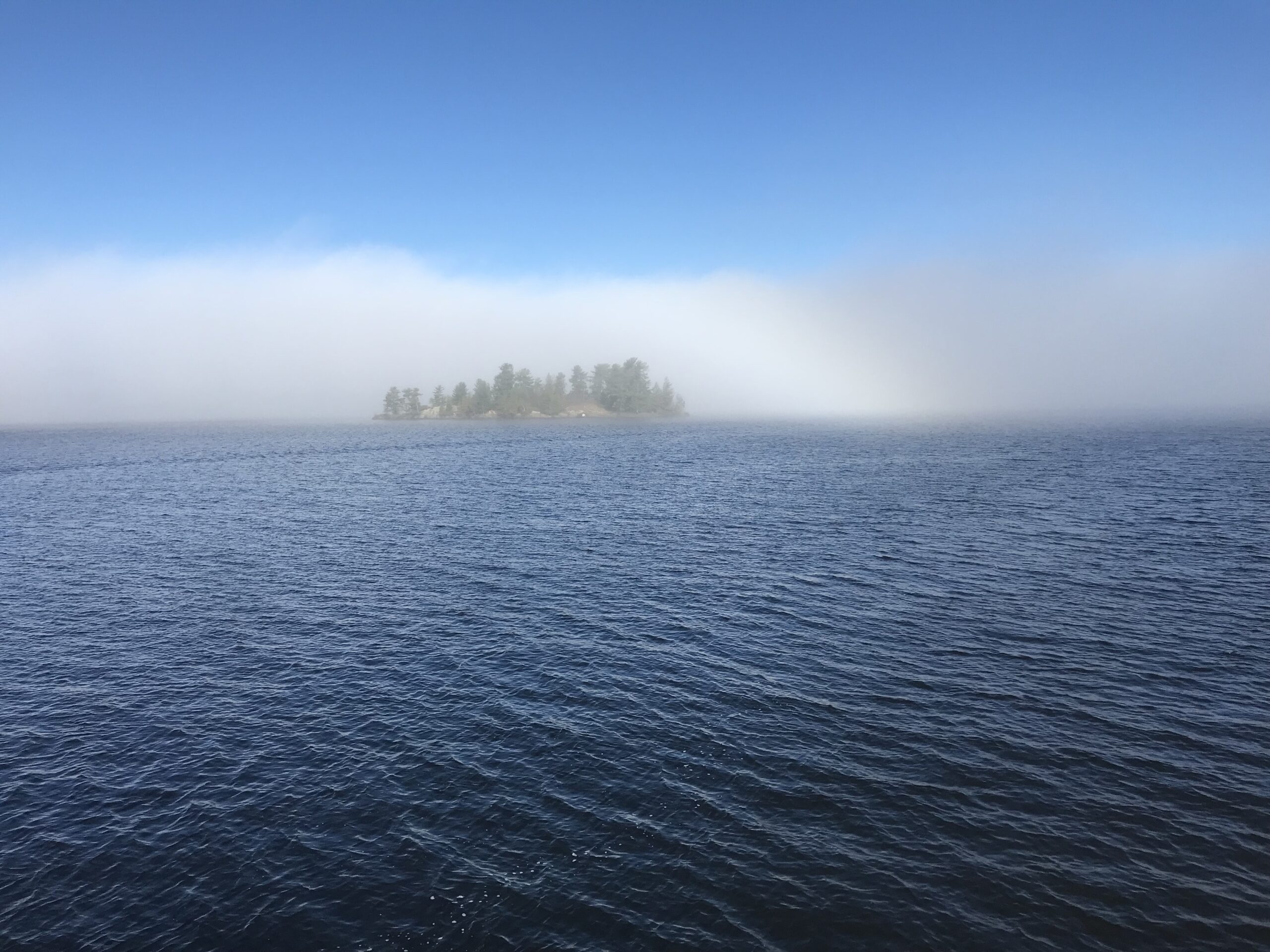
On the boat tours, I get to travel in a very big geological-way. On Rainy Lake, in Voyageurs National Park, it is the biggest lake, the widest open expanse and it acts like an ocean sometimes. NE Winds blow waves up to 3-4’ and chop up our 58’ vessel sometimes crashing waves over the top. But for the most part, it is calm motoring along these waters that are shared under Treaty 3 with First Nations, Canada and the USA. Co-management form the health of everything that lives in these waters, and that includes Hudson Bay, The Atlantic Ocean and the Mississippi River. Lets go back 2.6 Billion Years to understand.
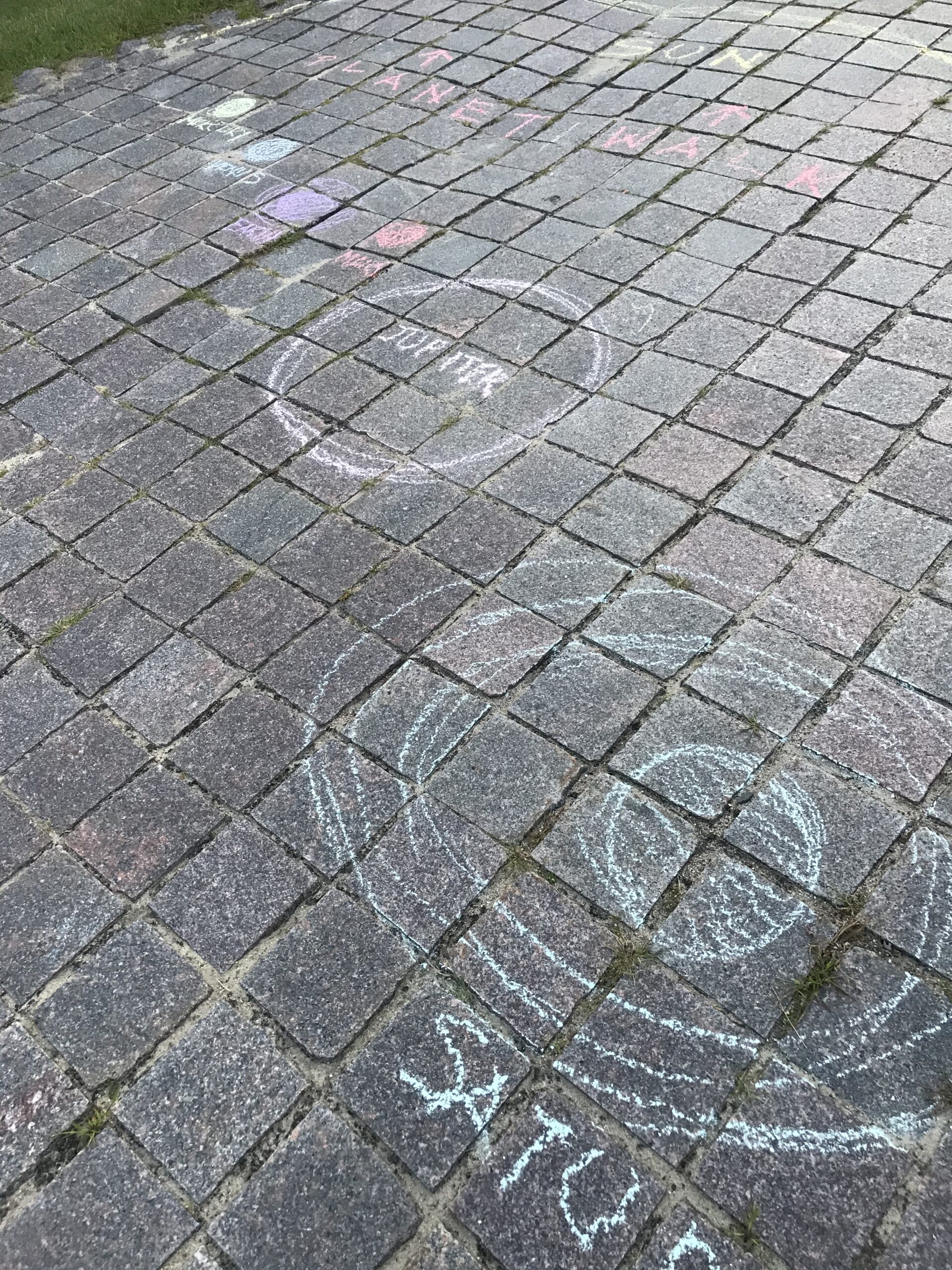
How do we know or estimate the age of Planet Earth? It is through its oldest things, the rocks. And still yet, all of the rocks on Earth have been morphed, molded, rebuilt and hardly stand still in the long term,of things. Scientists have for as long as humans have been pondering the universe, been looking for ways to measure things. Once technology arrived, then we came closer to knowing just how old this planet. Uranium decay is the most common way to measure billions of years, and it is through these isotopes that Earth is estimated to be 4.54 billions of years old. Just imagine a solar system forming around a sun, consolidating as it cooled into a constant but changing orbit. The gases of Planet Earth began to cool into core rock, formed by volcanoes and eroded by oceans. It is only by comparison to meteorites and asteroids, that we can truly estimate the beginning ages of the planet. In Rainy Lake, the volcanic rock of this core, now called the Canadian Shield, dates to 2.6 Billion years old!
The word of the day is Craton. “……In geology, a craton is an old and stable part of continental lithosphere. Having often survived cycles of merging and rifting of continents. Cratons are composed of ancient crystalline basement rocks covered by younger sedimentary rocks. They have a thick crust and deep lithospheric roots extending several hundred kilometres into Earth’s mantle…wikipedia.” There are only three places where one can see these 2.6 BYA rock, Greenland, Wyoming and at Rainy Lake. That’s right, if you only come to see the rock, its something most people on this planet never see, but I don’t know any that come for the rock, they come for the WATER!
Upon the core, the Canadian Shield, this black volcanic rock have been four glaciations and two oceans that have scoured the core rock up until the last glacial period with a giant Laurentian Ice Sheet pressing downward from its 2.5 mile thick ice. The Pleistocene Epoch is estimated to being 2.5 million years ago, with the Laurentide Ice Sheet forming some 270,000 years ago. the ice growing and slowing moving south, scoured the rocks beneath it reaching all the way into what is now Minnesota. Approximately 11,700 years the planet moved into the Holocene and warmed. That giant ice sheet began to melt and formed the massive Lake Aggasiz over what is now Canada and into and over the Great Lakes and the land of Ten Thousand Lakes, known now as Minnesota. The Ice sheet broke and fractured releasing massive amounts of water toward the Atlantic and caused the 8.2K event dumping this cold water into the ocean and bringing a cooling event over Europe that lasted several hundred years and marked time as the “Northgrippian Age.” Not as intense as the Younger Dryas, it did cause global cooling and a loss of planetary methane production with a result of dry and cooler weather and a rapid change in agriculture in Europe. What happened where the ice sheet retreated was a new area for plants and wildlife to flourish. Mastodon, mammoth, club moss, and spruce trees arrived over time and by 9000 years ago, a forest was forming on the shores of the lakes that were left behind in these scoured holes in the core rock.
Water is the lifeblood of the planet, and the gigantic “pond” formed by the last glacial timeline on North America has left tens of thousands of lakes. The giant animals and the Clovis that hunted them began with minor warming and cooling events. By the time the forests were growing the large animals were becoming extinct as with warming, a smaller animal tends to survive more successfully. The keystone species in Rainy Lake now, is the Beaver and with that is the next cultural story.
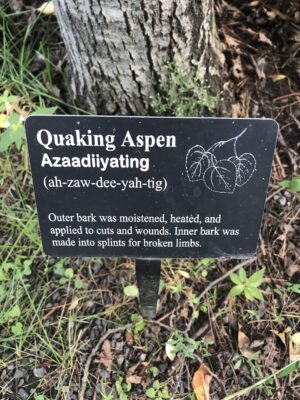
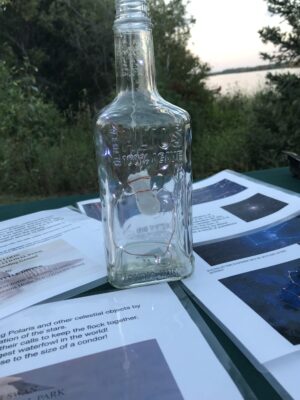
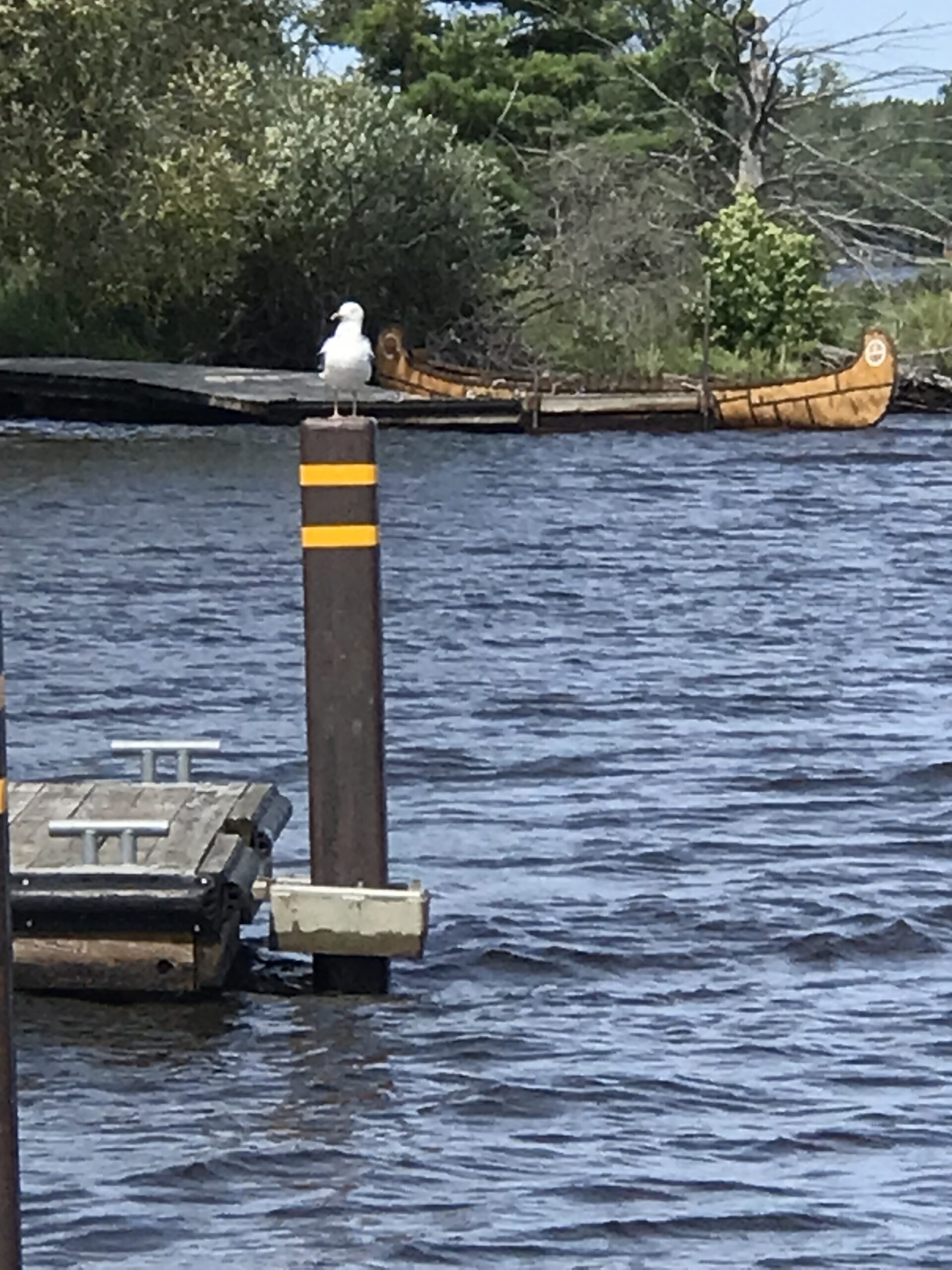
SEPTEMBER
Change.
Adaptation. Sometimes we don’t like the change, but we persevere with vigor!
Everything is timeless, and in one moment, the overlapping is astounding. Long geologic time layered upon short instantaneous moments of the live within and among it, brings joys and sorrows, but somehow things continue, changed.
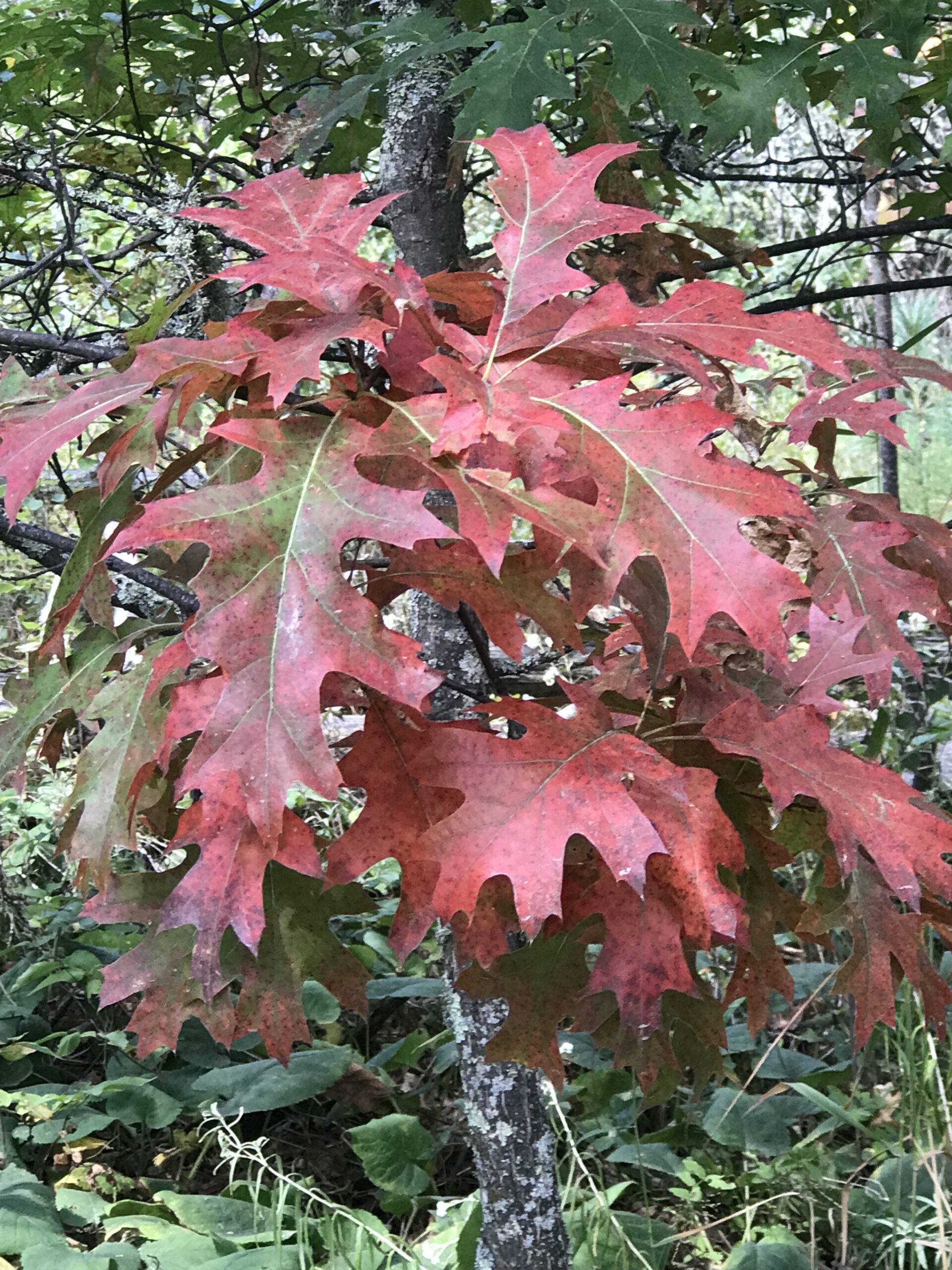
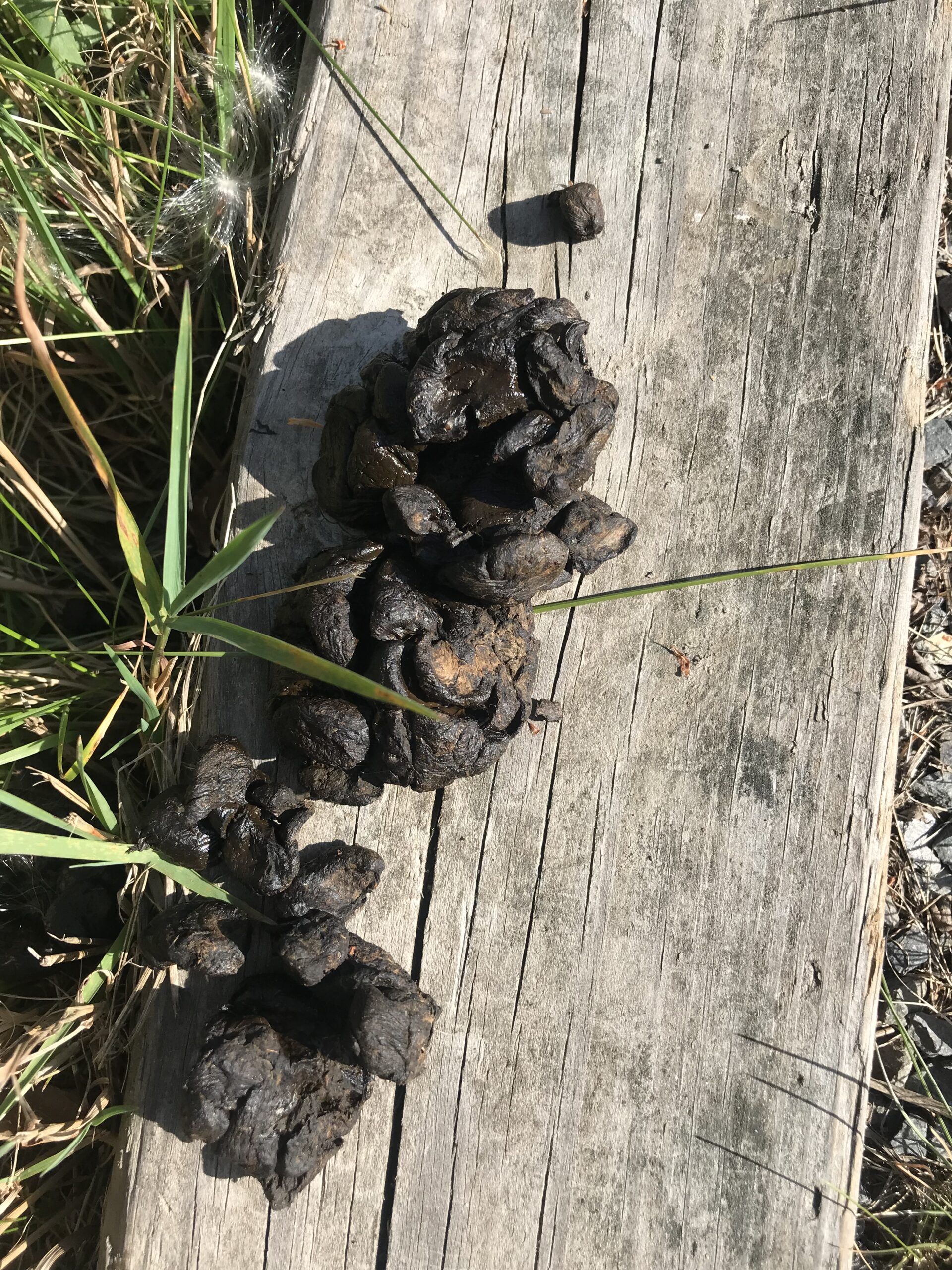
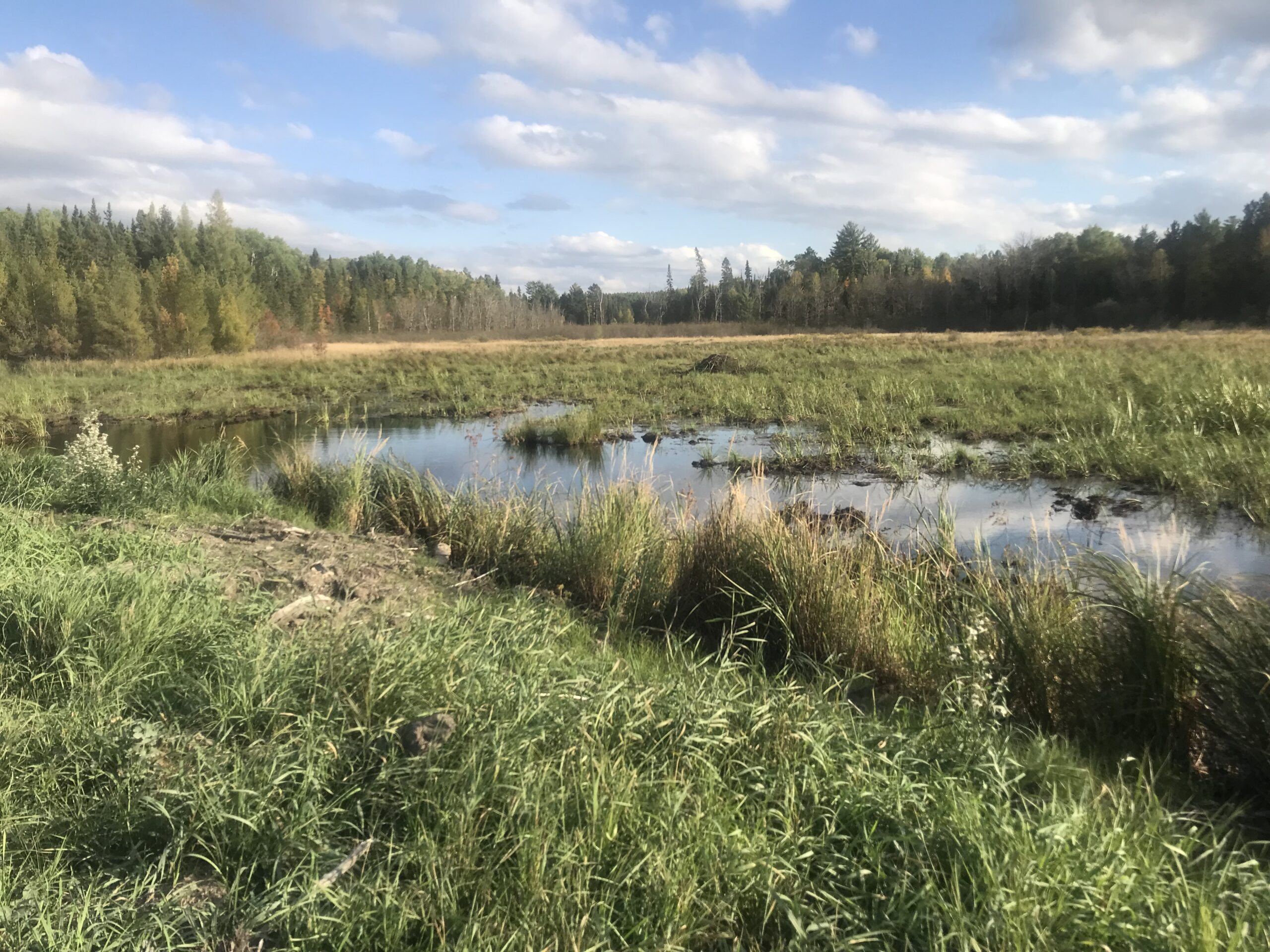
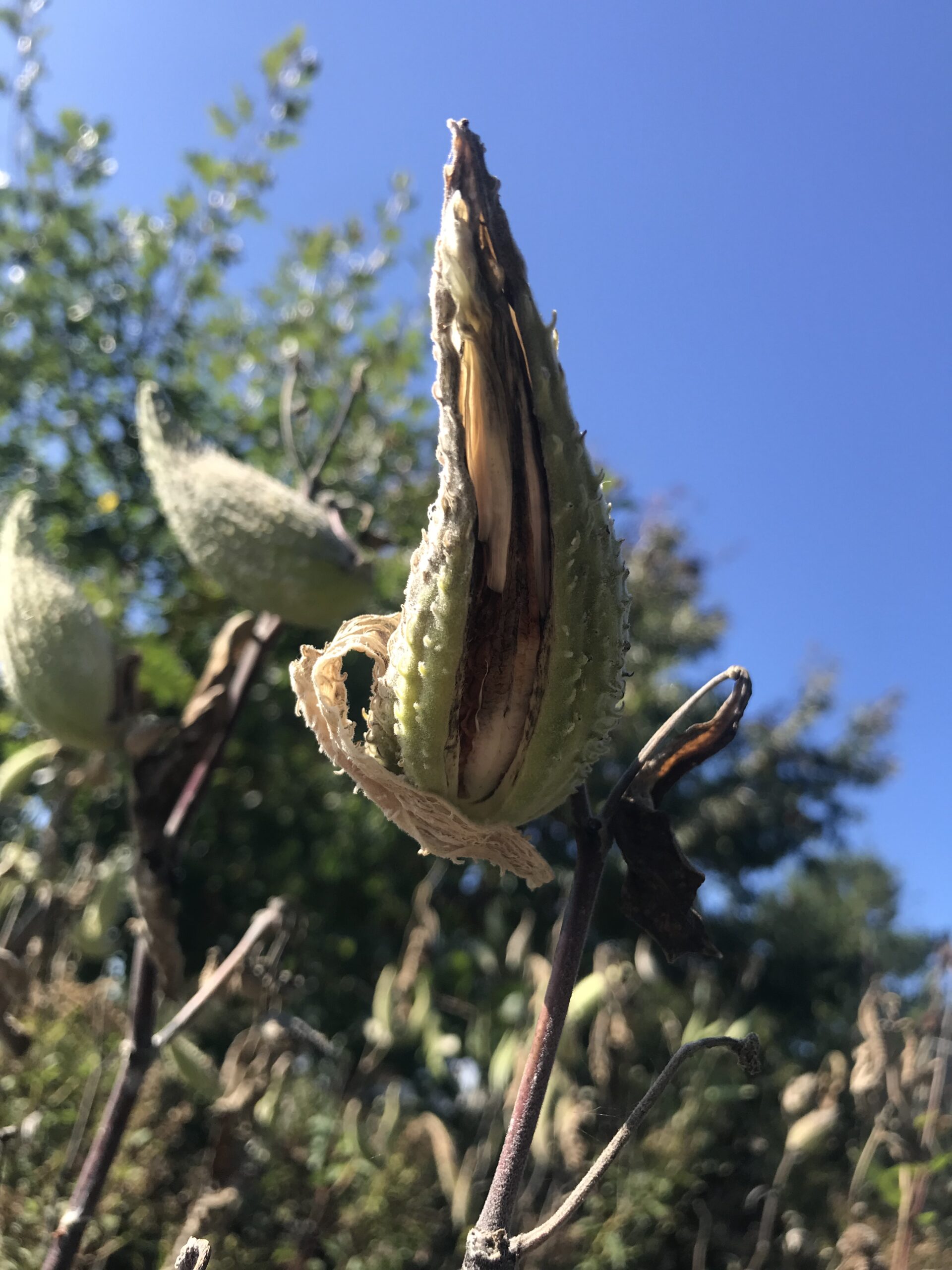
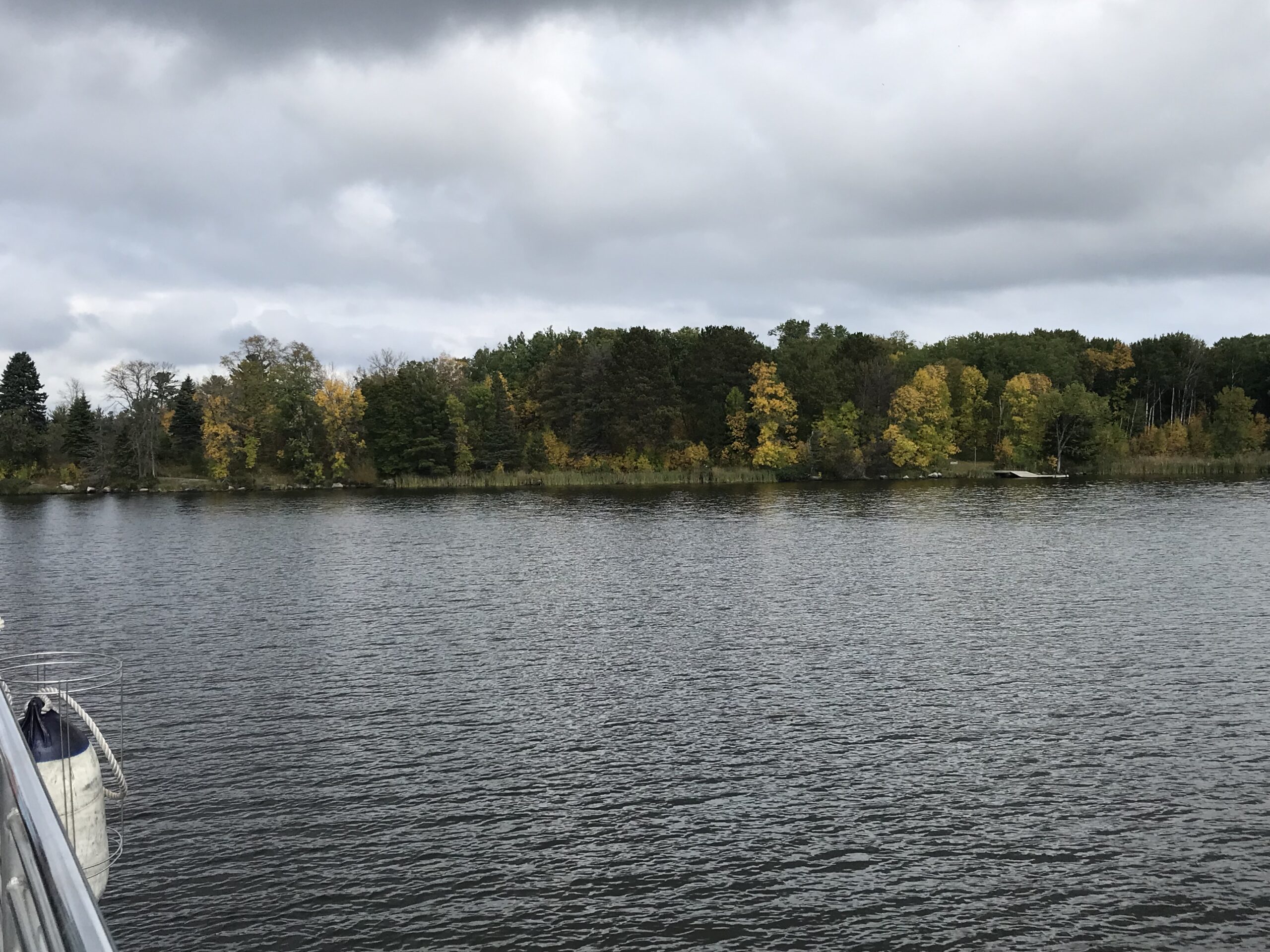
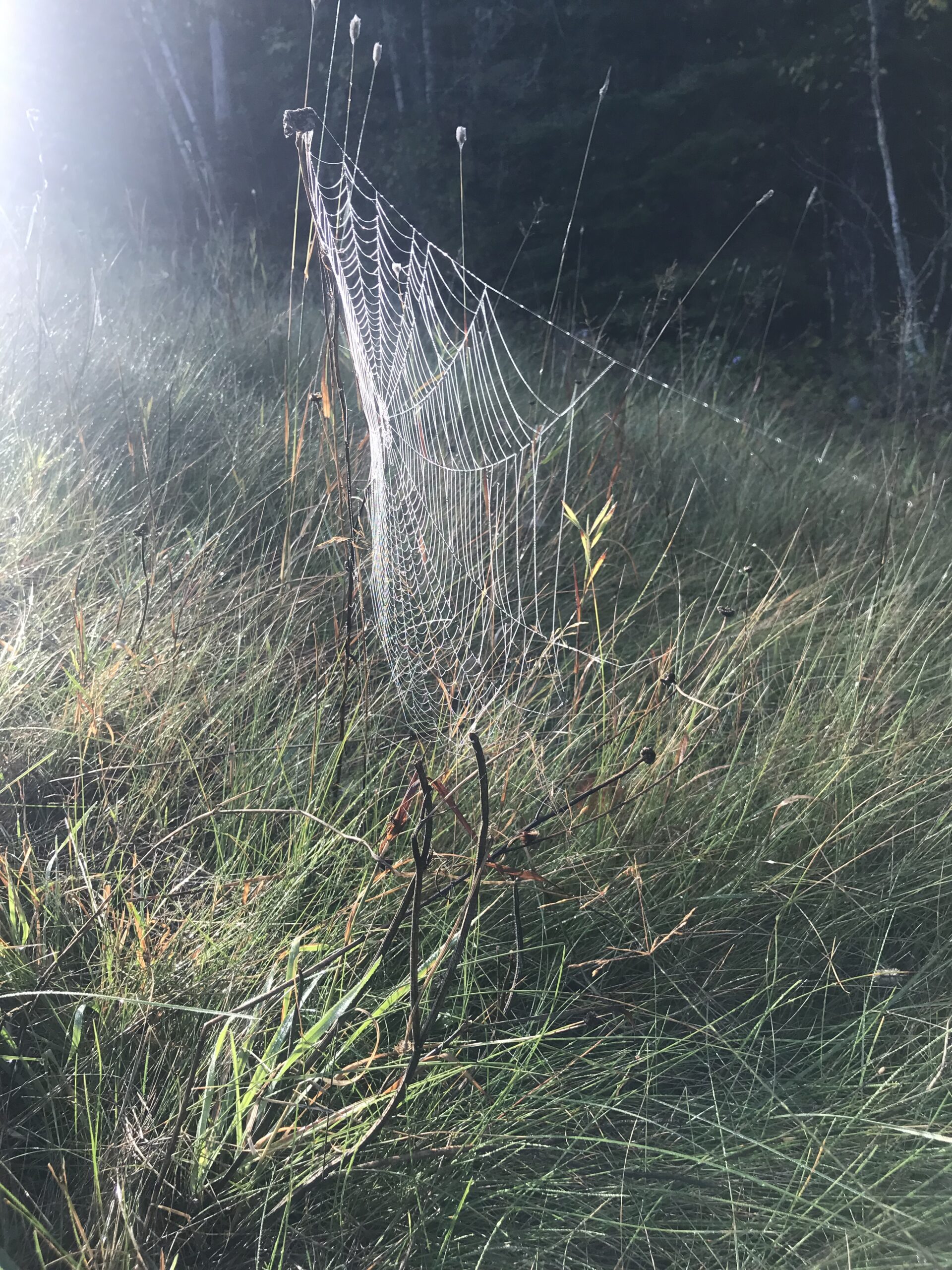
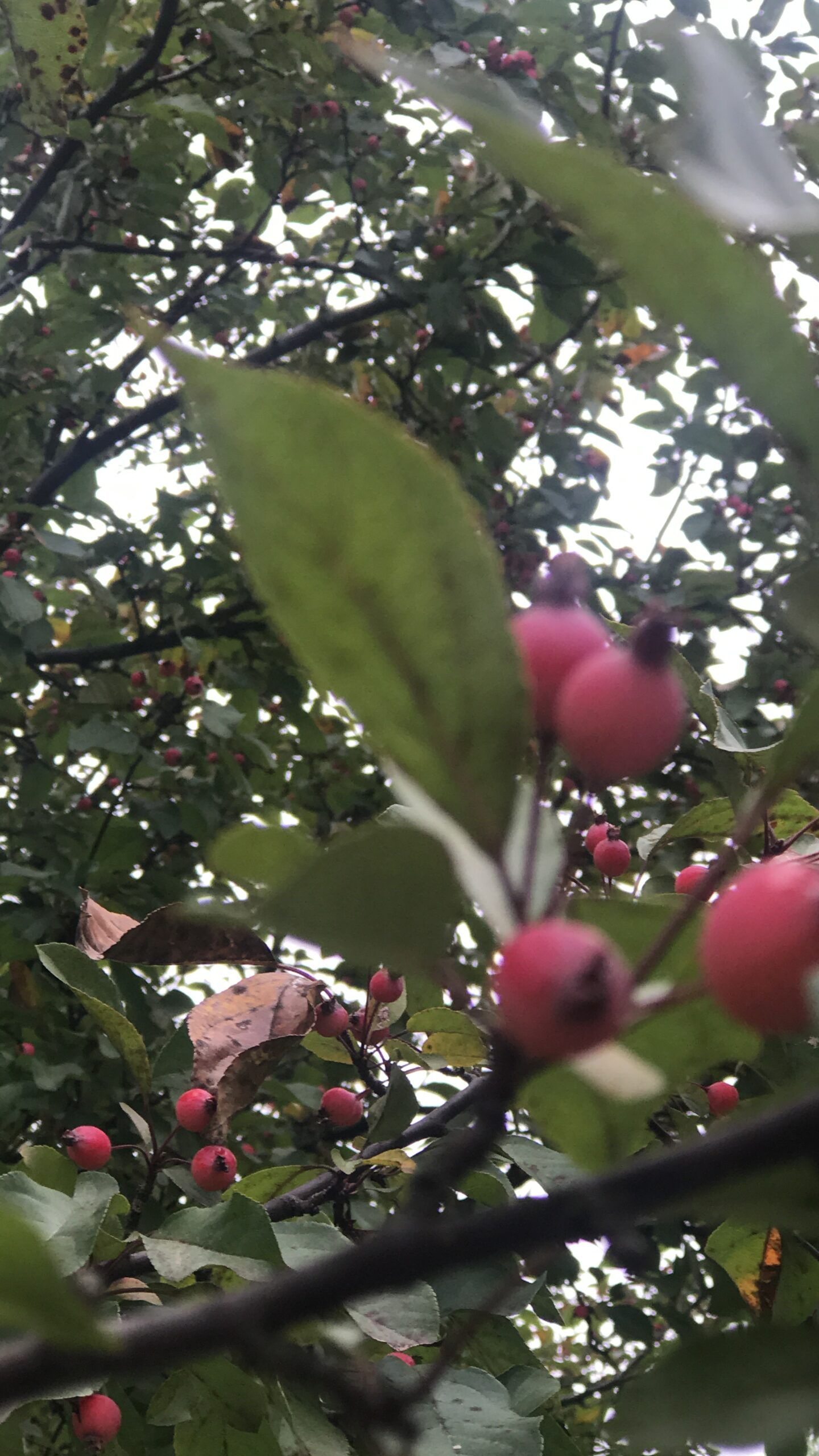
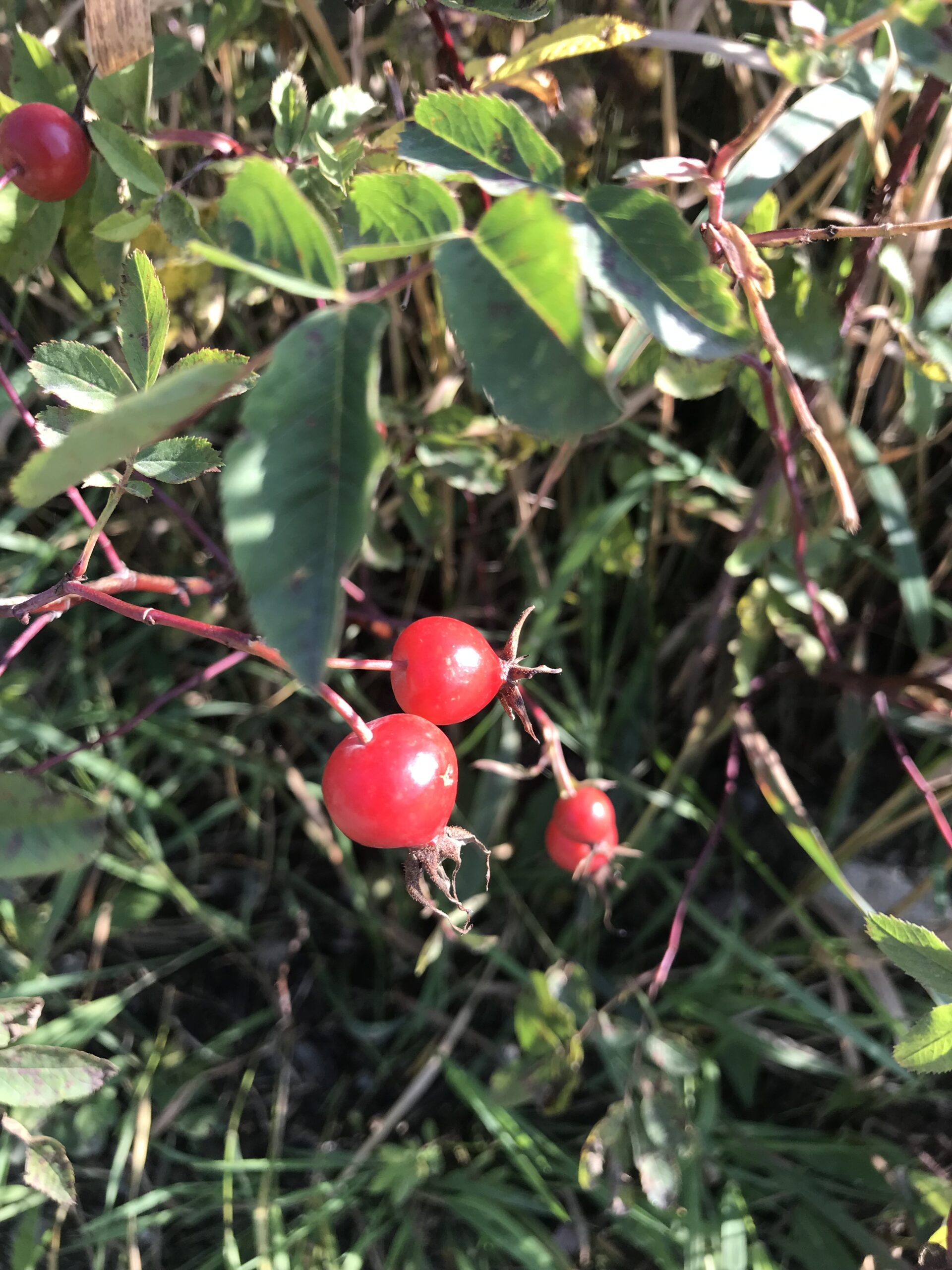
The changing colors of the forest in September in the North Woods, lets you know, its time for winter. all summer the animals have been working on the short harvest and storing their winter food. The others that migrate away from the frigid winter, are gathering their strength for the long journey.
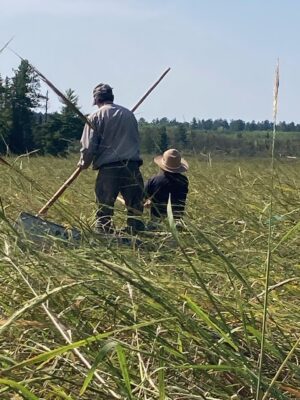
OCTOBER
The end has arrived, but its just a pause. There are no real endings when a seed has been set. You may leave place behind and move across the ocean, however there is a part of your essence that stays in every place your heart has been. Connections to place, people and ancestors, and all the nature that reaches those wild places inside of you. We are Parkies, we seek the wild and wildness to rememeber.